
The Talos Principle 2
"The robot game"

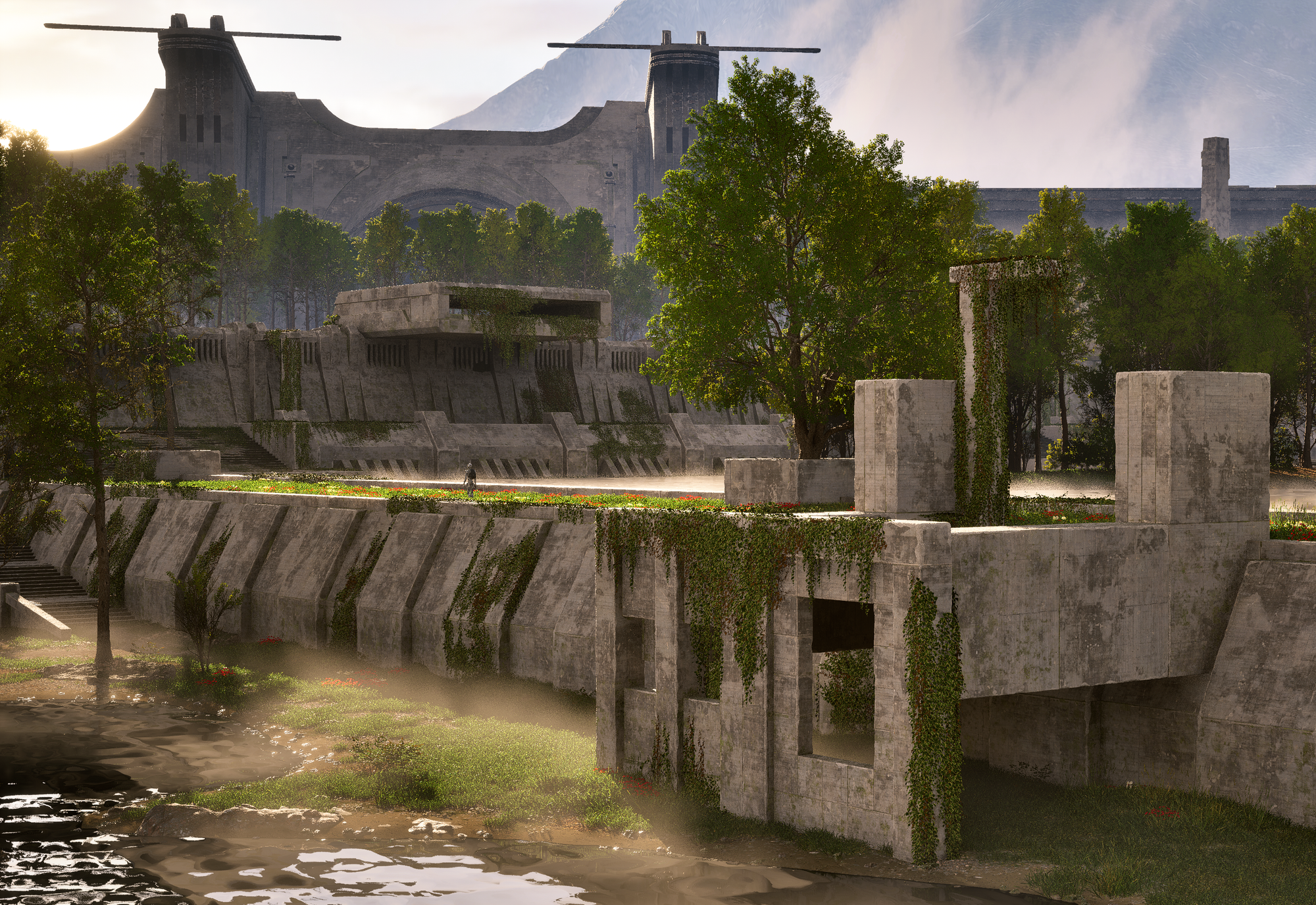
Game Information
Game Name: The Talos Principle 2
Platform(s): PC, Xbox Series S/X, PlayStation 5
Developer(s): Croteam
Publisher(s): Devolver Digital
Genres: Puzzle, Story
First Release Date: November 2, 2023
Last Update Date: October 9, 2026
Description: The Talos Principle 2 is a thought-provoking first-person puzzle experience that greatly expands on the first game's philosophical themes and stunning environments with increasingly mind-bending challenges.
Reviewed On
Hardware: S.T.A.L.K.E.R.
(Radeon RX 6950 XT, AMD Ryzen 7 5800X3D, 32 GB RAM)
Platform: Steam
Review Notes
- None
Introduction
Last year I finally played the original Talos Principle. It had sat in my Steam library for ages, and I never felt that draw to play it. I've dabbled with puzzle games now and again, the Portal games and The Witness being two relevant examples, but the problem with The Talos Principle was that nothing about it grabbed me. It looked like a generic puzzle game from the outside. And then, on a whim, I actually played it, and I wasn't terribly wrong. Here's the summary from the short Steam review I wrote:
The puzzle design is top notch, everything else about the game feels a little bland to me. The world, lore, art design, characters, etc. didn't grab me, but it's far from off-putting.
The important thing to note here though is that I did finish the game and the puzzle design is THAT good. I immediately wishlisted The Talos Principle 2, which had already been released a couple years prior, and for the time being moved onto other games knowing I'd return at some point.
Well, this is that return and boy do I have good news: The Talos Principle 2 is a banger.
Bite-Size Zones
Like I've said, the first game was a bit on the bland side. Everything looked generic... generic ancient Rome, generic ancient Egypt, generic Medieval setting. Everything felt flat and boxy. The visuals just weren't that interesting. On top of that, the nexus area was just a glorified level select menu, just doors to walk through set in a big room. And on top of that, the story just completely missed me, I knew I was in a simulation and there was a voice named Elohim and that was it. And maybe it all being a simulation explains all those aspects of the game, but it still remains that the game was a bit dull.
Fast forward a year and to my great concern, the first level of The Talos Principle 2 is a tutorial set in a simulation very similar to the original's. I thought, "oh boy, here we go again, cool puzzles set in a boring world." But thank goodness because my concerns were dashed almost instantly when the game formally began in what was the 'real world'. You play as "1k", the one thousandth of their kind who was just born into a post-apocalyptic Earth where a small android civilization has far outlived their human creators. The original game was actually the creation process of the first android as set up by a group of humans in the last days of the species. And now here we are, years later, as we join the offspring of that first android at a significant milestone. Your introduction to society is relatively short-lived however because almost immediately, you're whisked away with a small team on an expedition to explore a newly discovered megastructure.
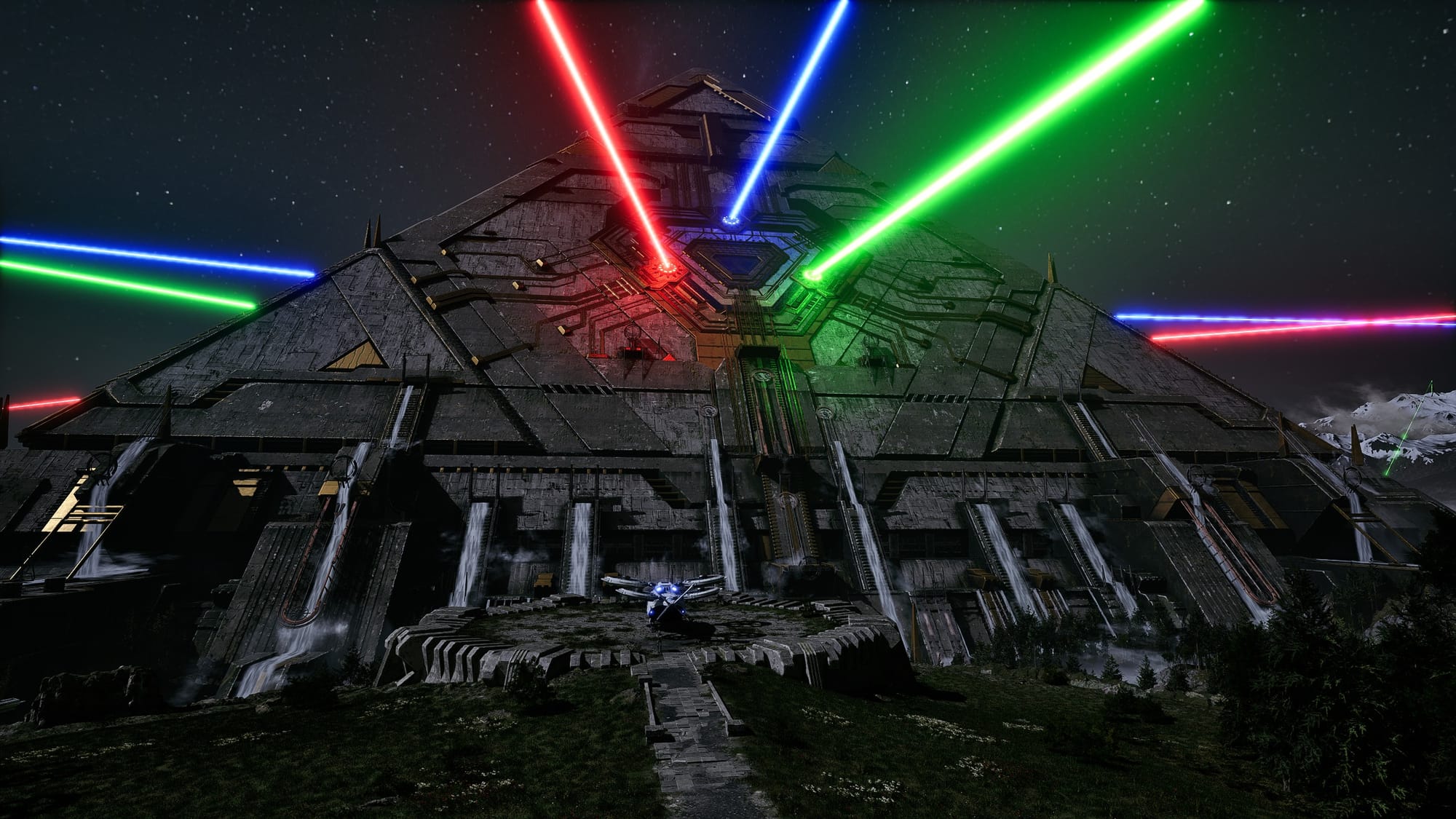
The Talos Principle 2 almost has the opposite problem of its predecessor. The first half hour is almost exclusively story and world stuff. There's a lot walking around, talking one on one with other androids, and a few cutscenes. It immediately feels very different from the first for this reason. But once you get out to the megastructure, the game hits its stride. And this is what I really want to highlight: The Talos Principle 2 is all about its dozen, visually and mechanically distinct zones. These zones I like to classify as 'bite-size' because they take about two hours to play through and offer a main path of puzzles alongside a decent number of optional challenges. There's a contained level of exploration where not everything is immediately apparent, but it also doesn't take you forever to unveil mysteries. So, here are a few highlights for me that have come along with these bite-size zones:
New Biomes, New Mechanics
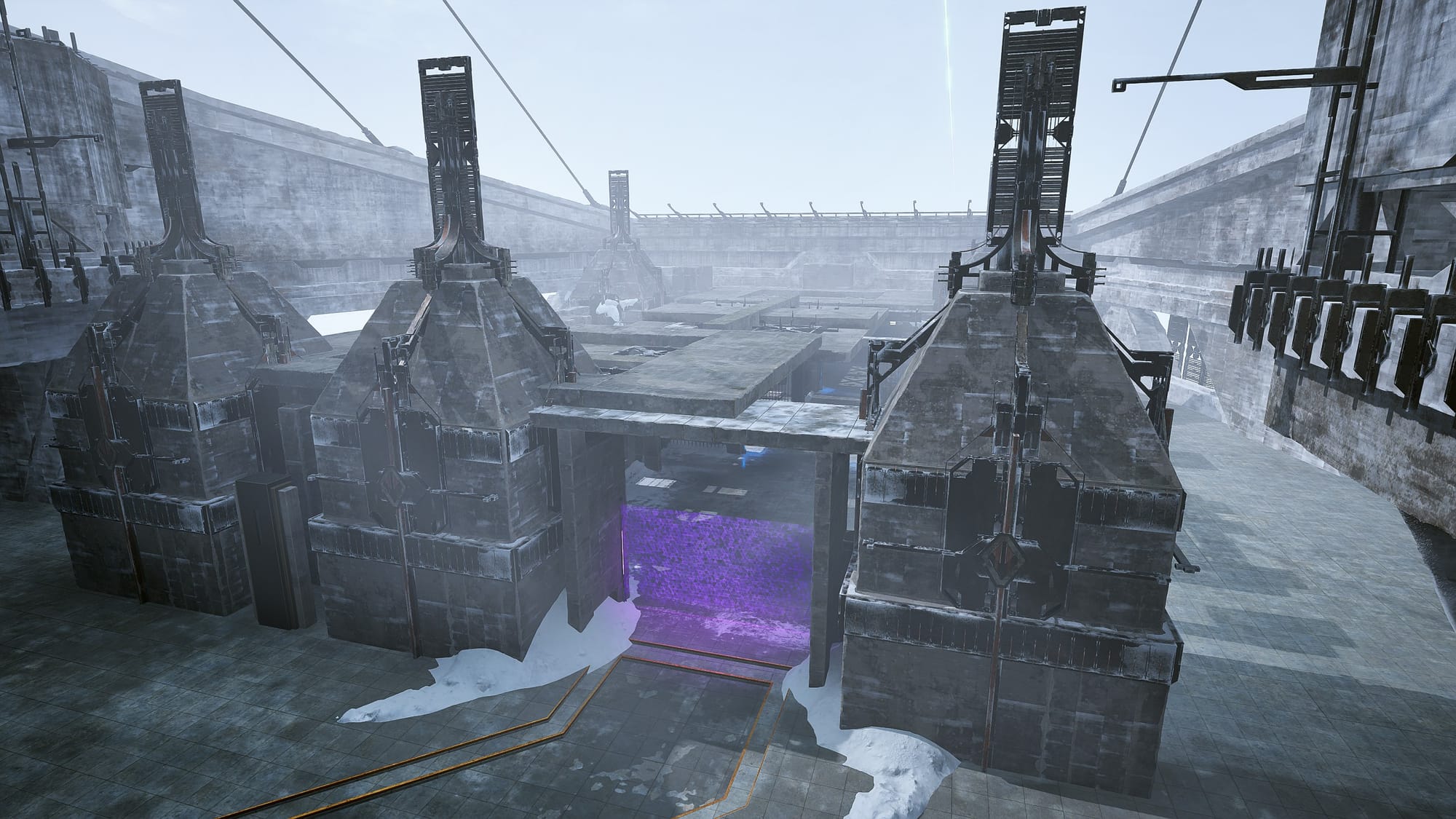
The first one had the right idea here, but the sequel takes it to a whole other level. The twelve zones are split up into the snowy north, oasis south, wooded east, and the otherworldly west. Each cardinal direction gets three zones to play around with and iterate on that biome. The net effect is that every two hours you get a palate refresh and then every six-ish hours you get a palate cleanse.
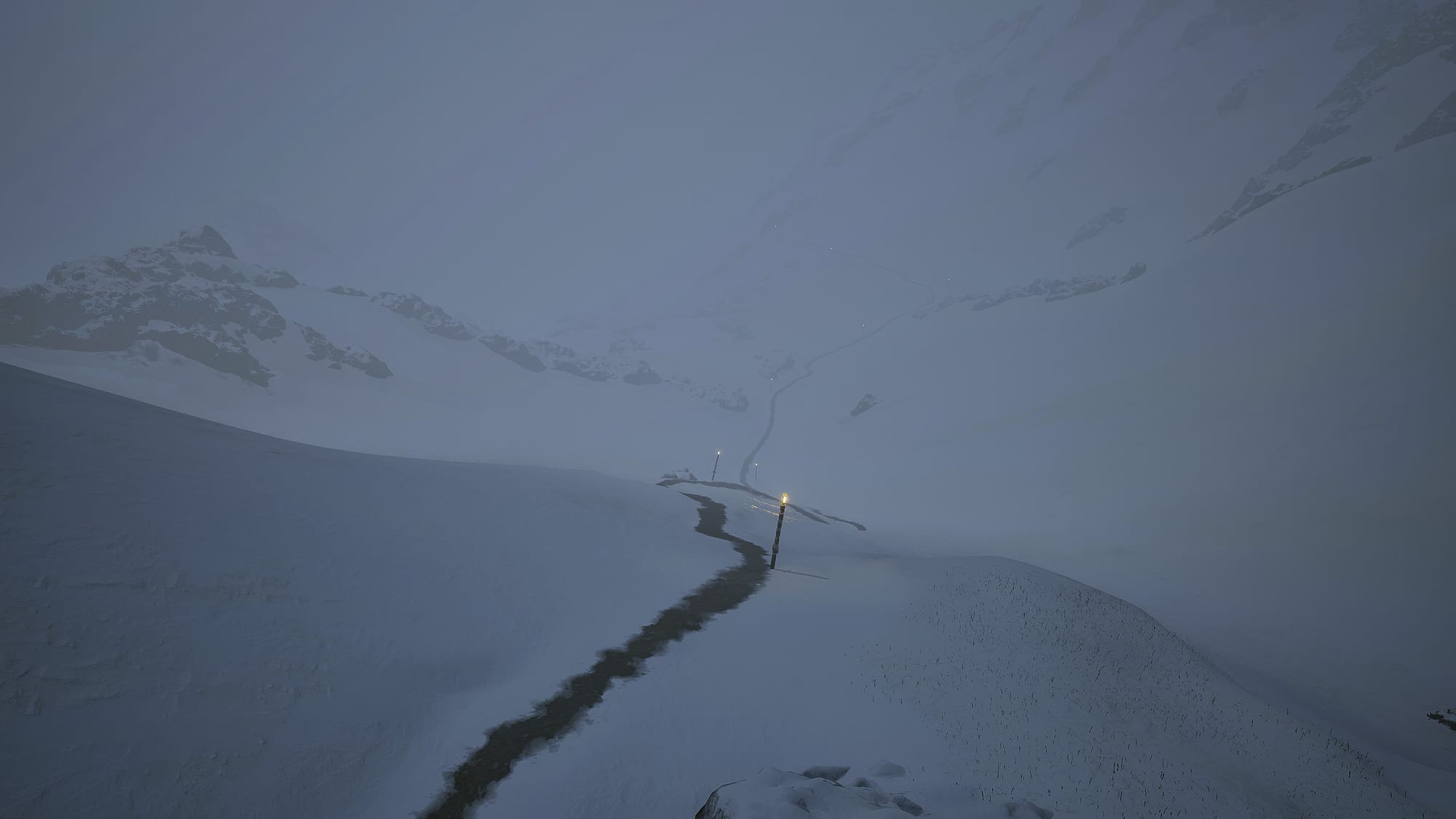
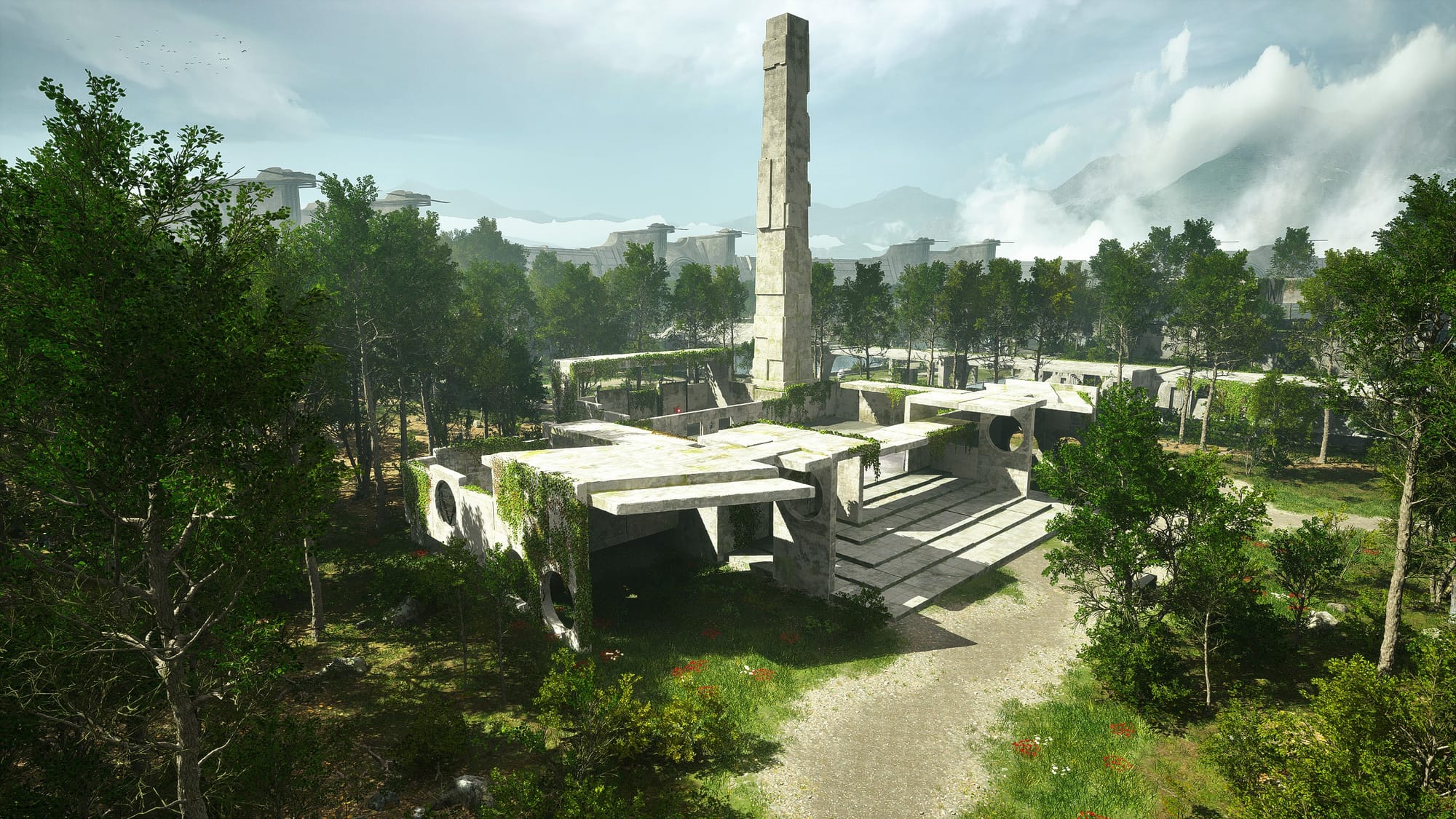
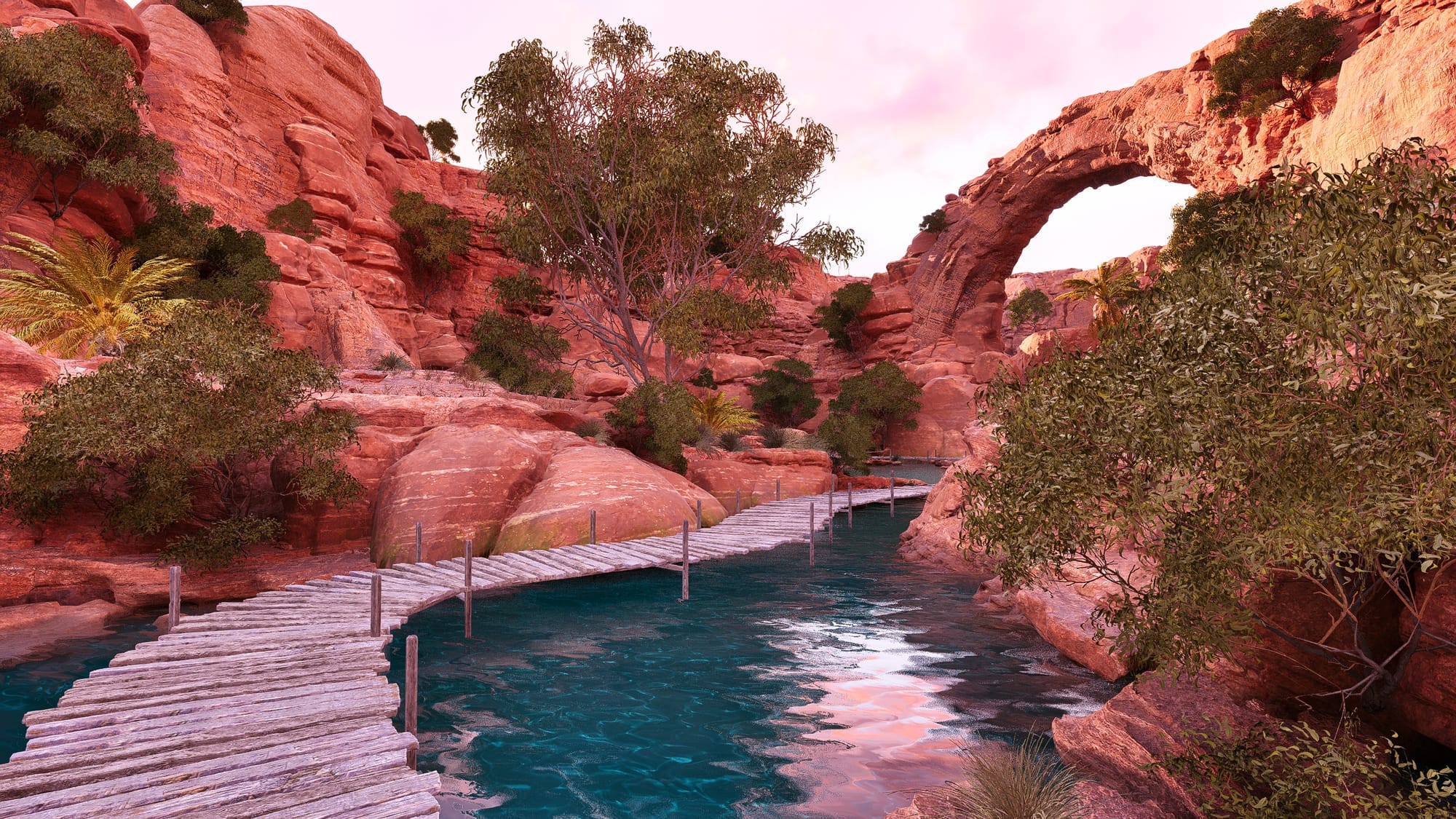
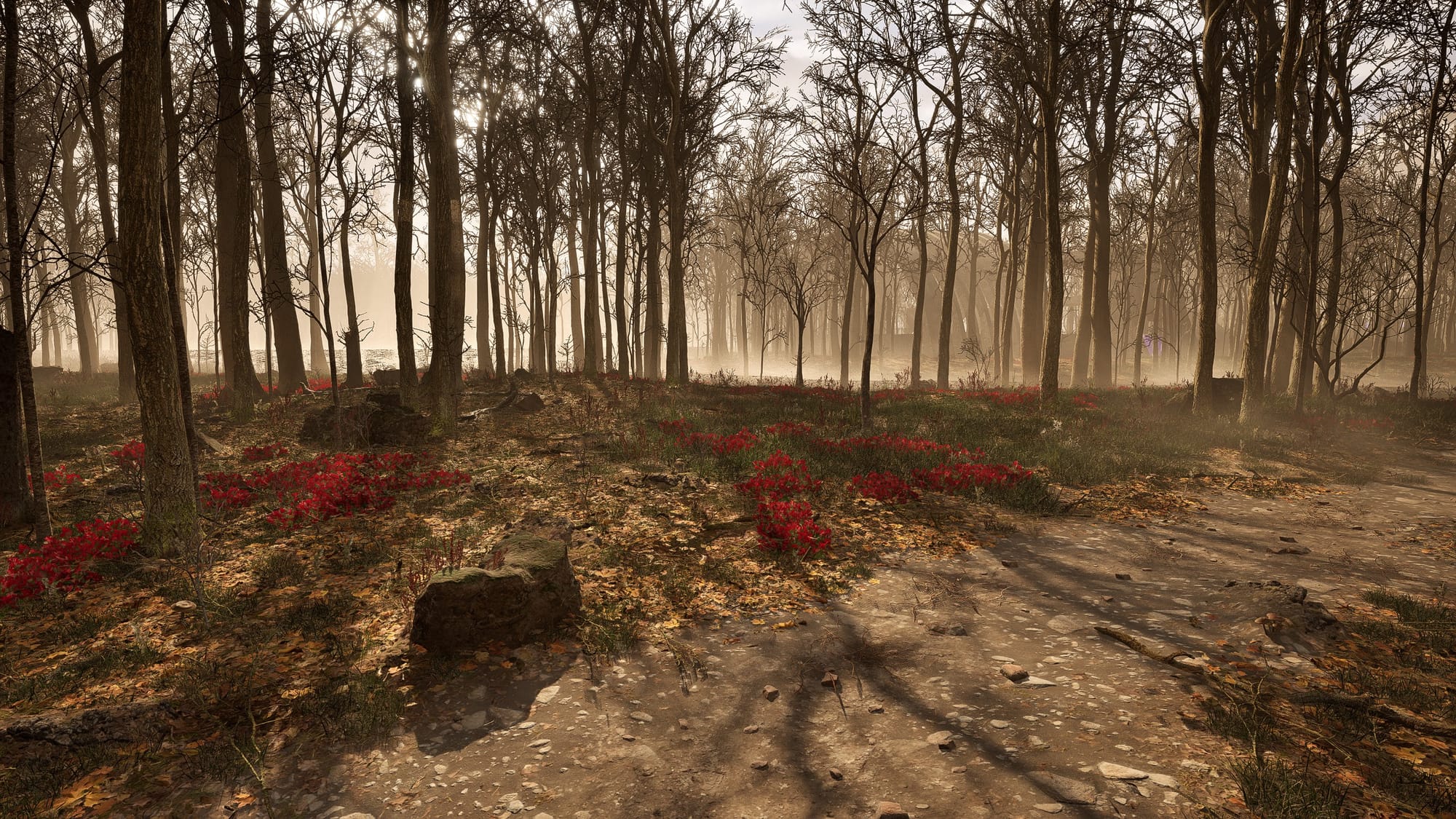
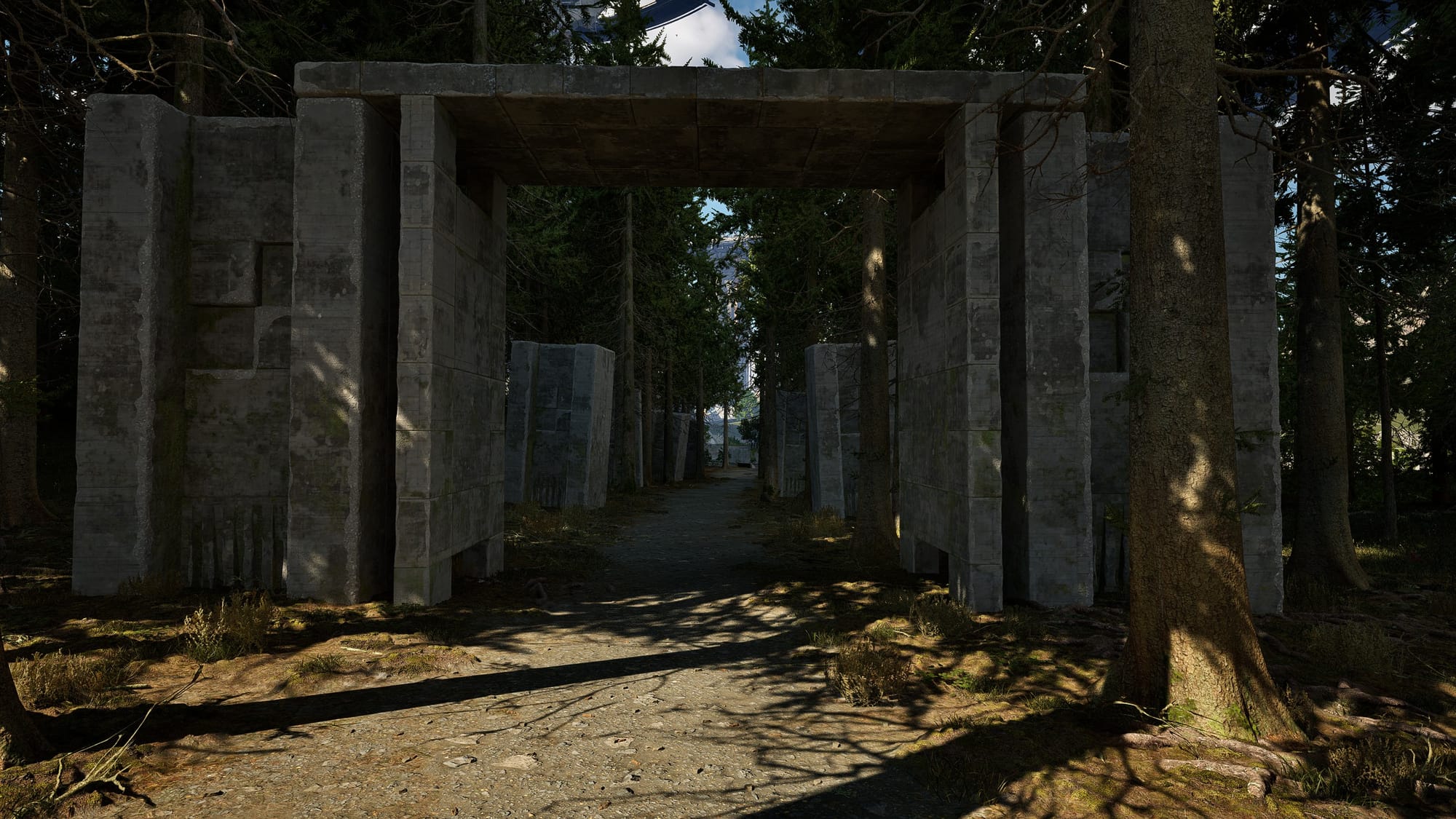
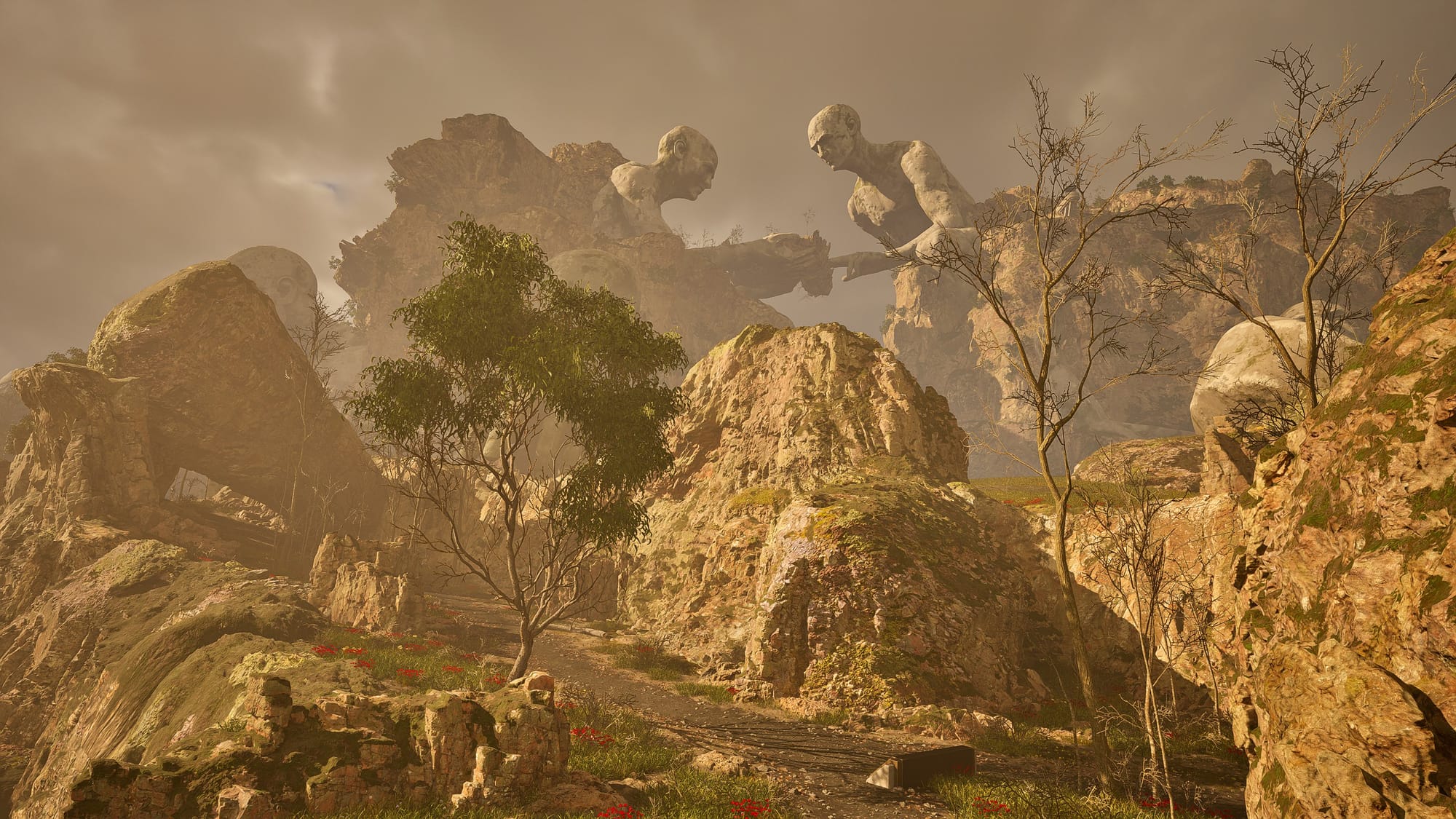
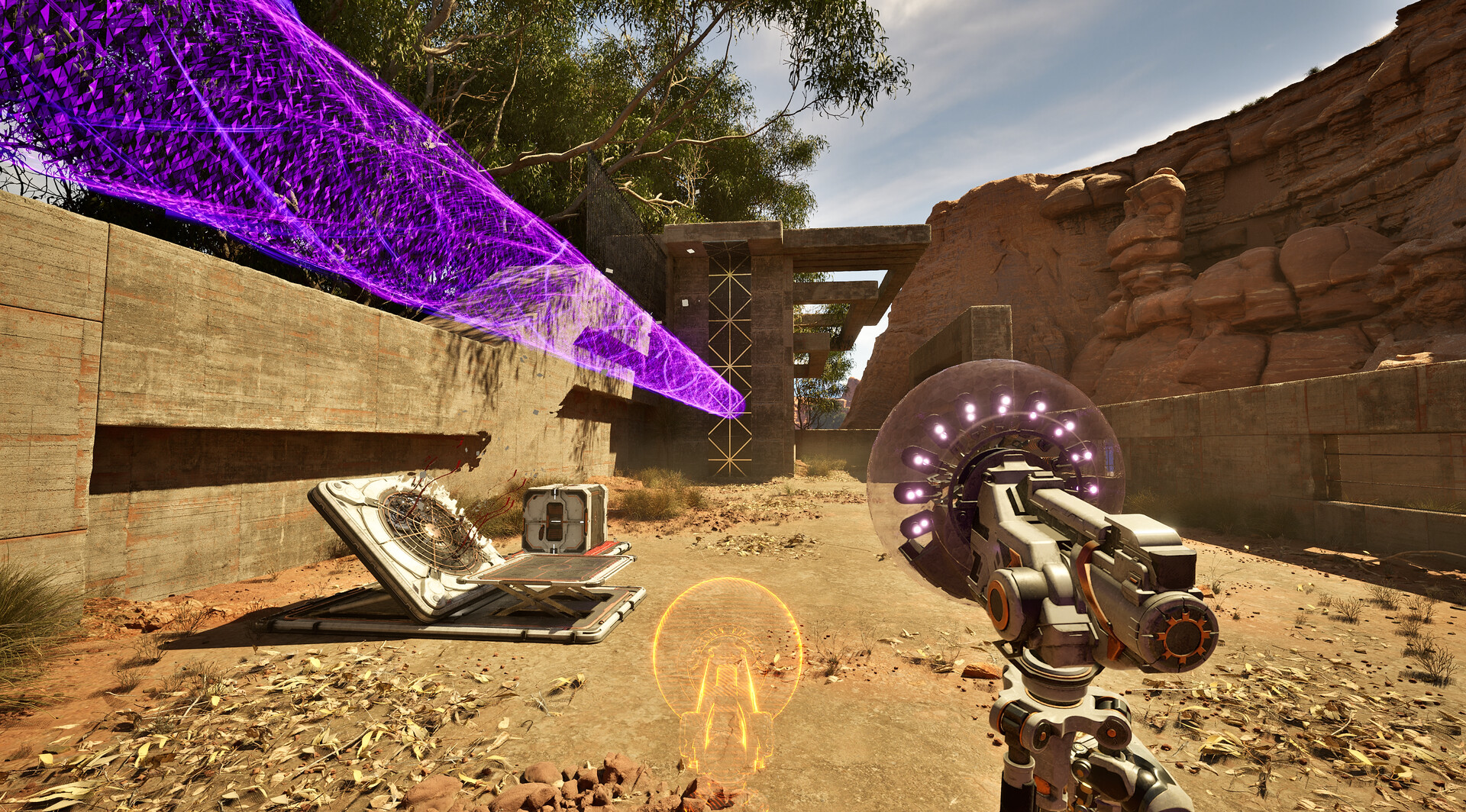
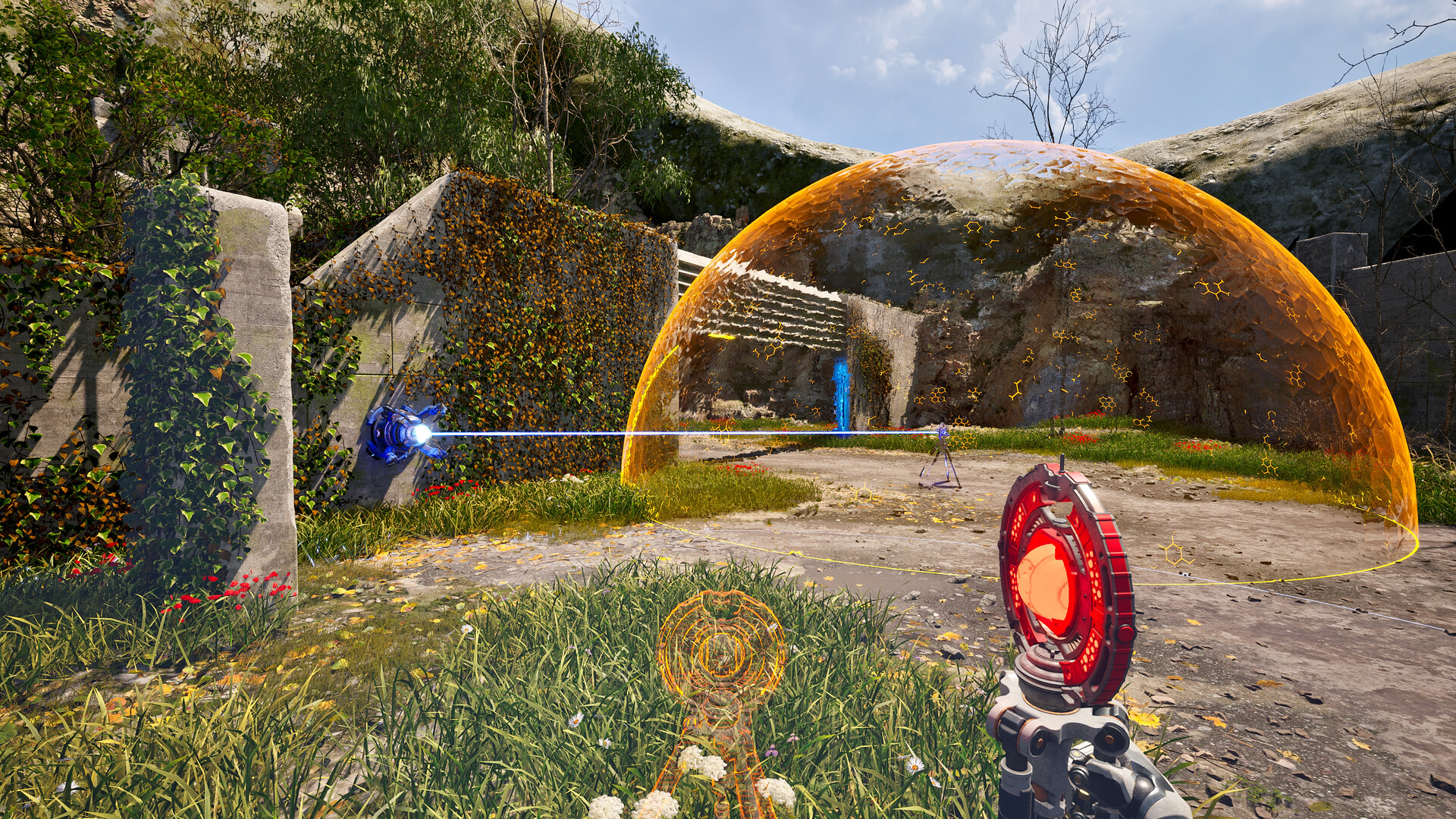
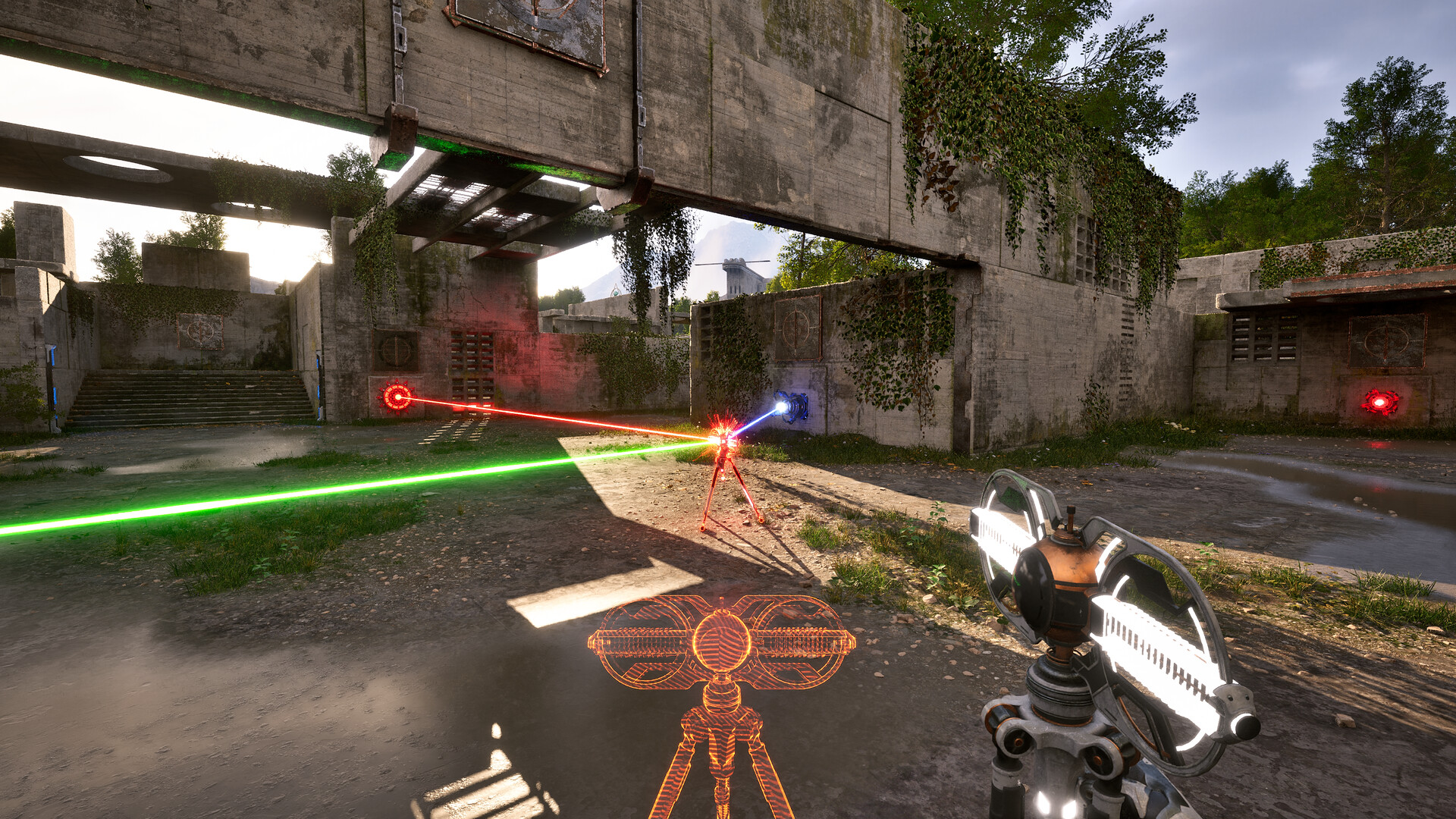
Then, alongside the visual evolution of the game comes the mechanical evolution. With each new zone comes a new gameplay mechanic, typically in the form of a new puzzle device. Then the puzzle sequence in each new area follows a similar path where the first few act as tutorials for the new mechanic while the last few advance the difficulty and integrate mechanics from previous areas. It's a tried-and-true method that the developers stick to, and I'm all for it. It provides a steady stream of fresh ideas while the difficulty ebbs up and down.
Architectural Intrigue and Distinction
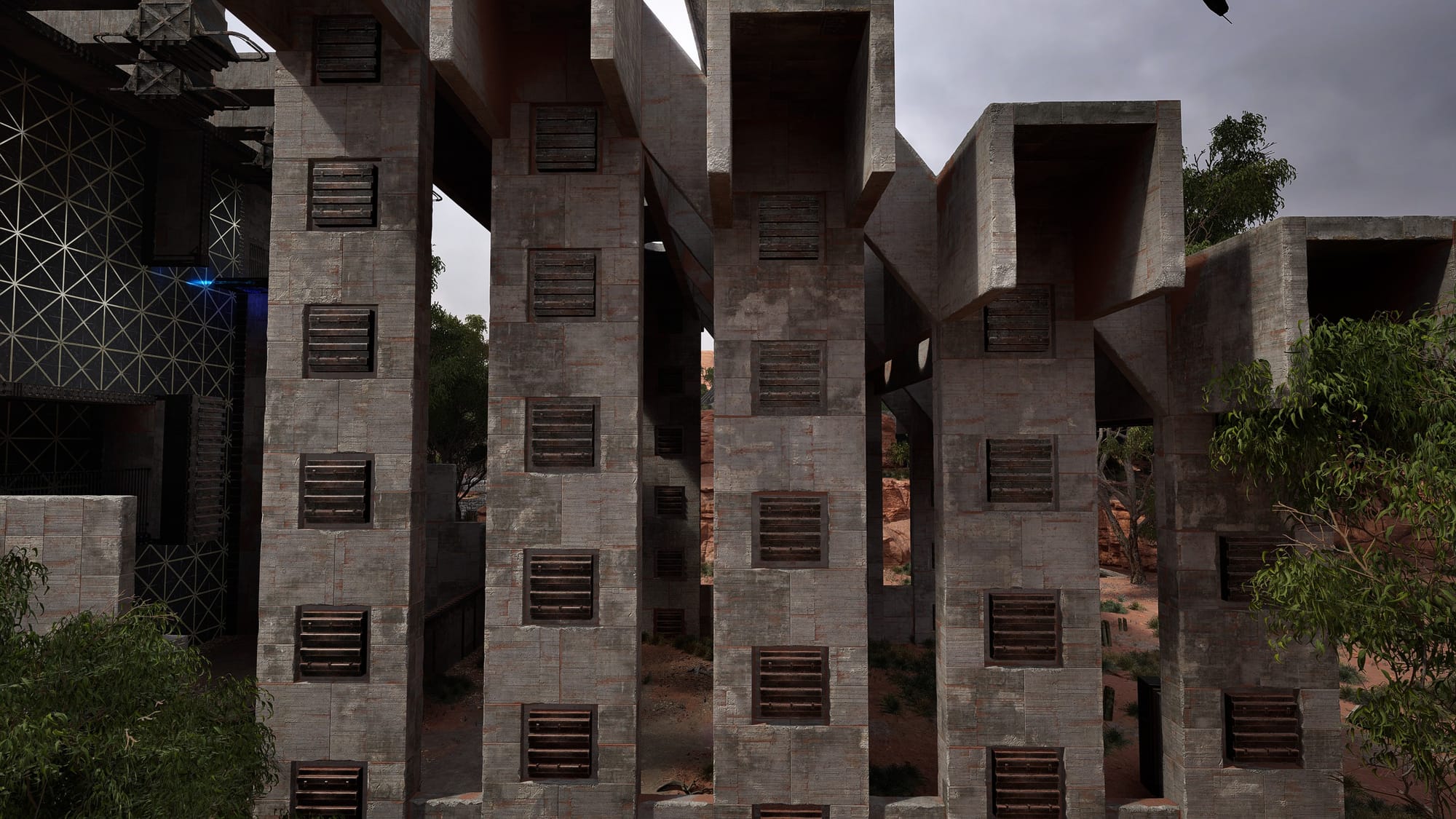
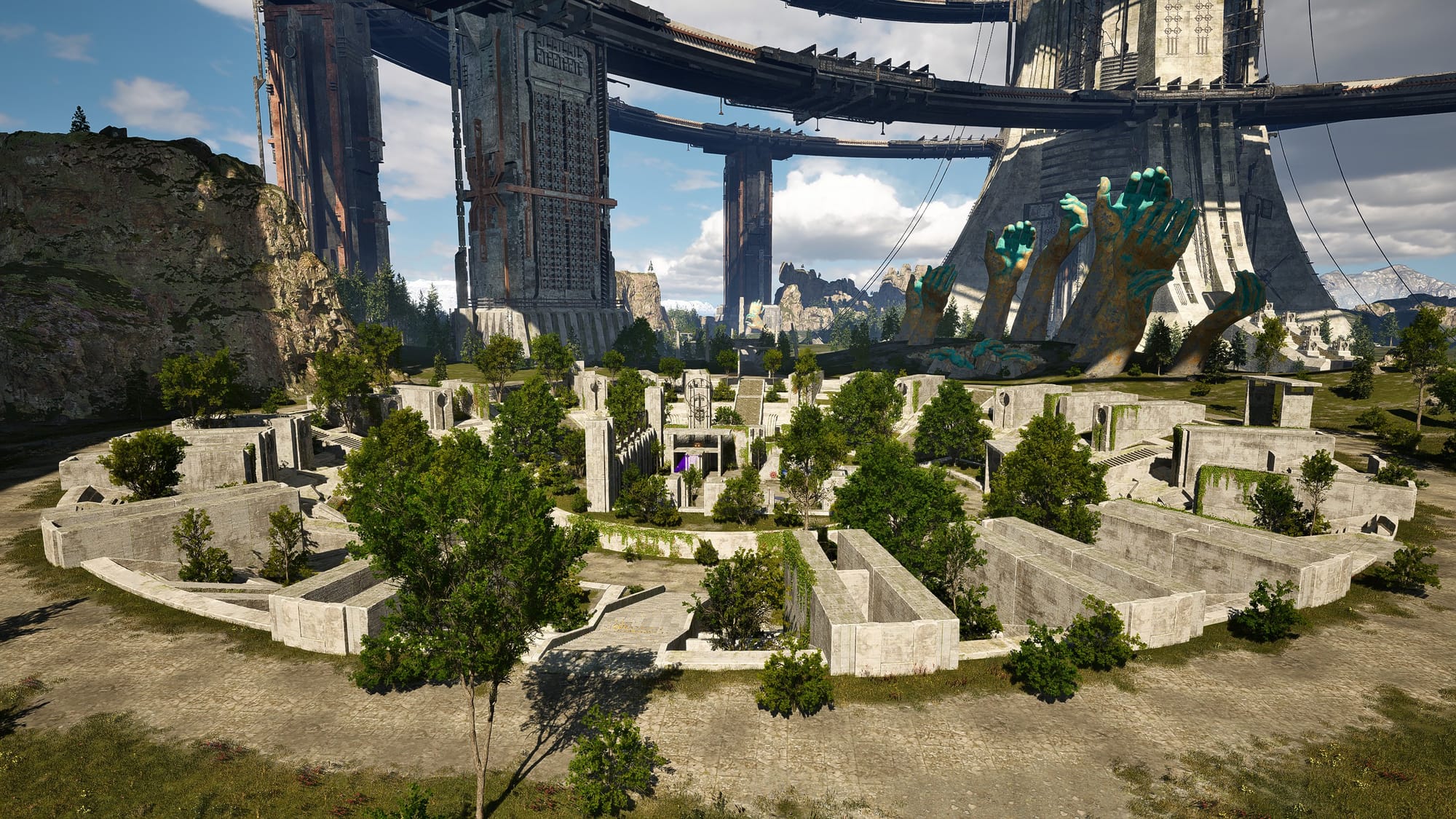
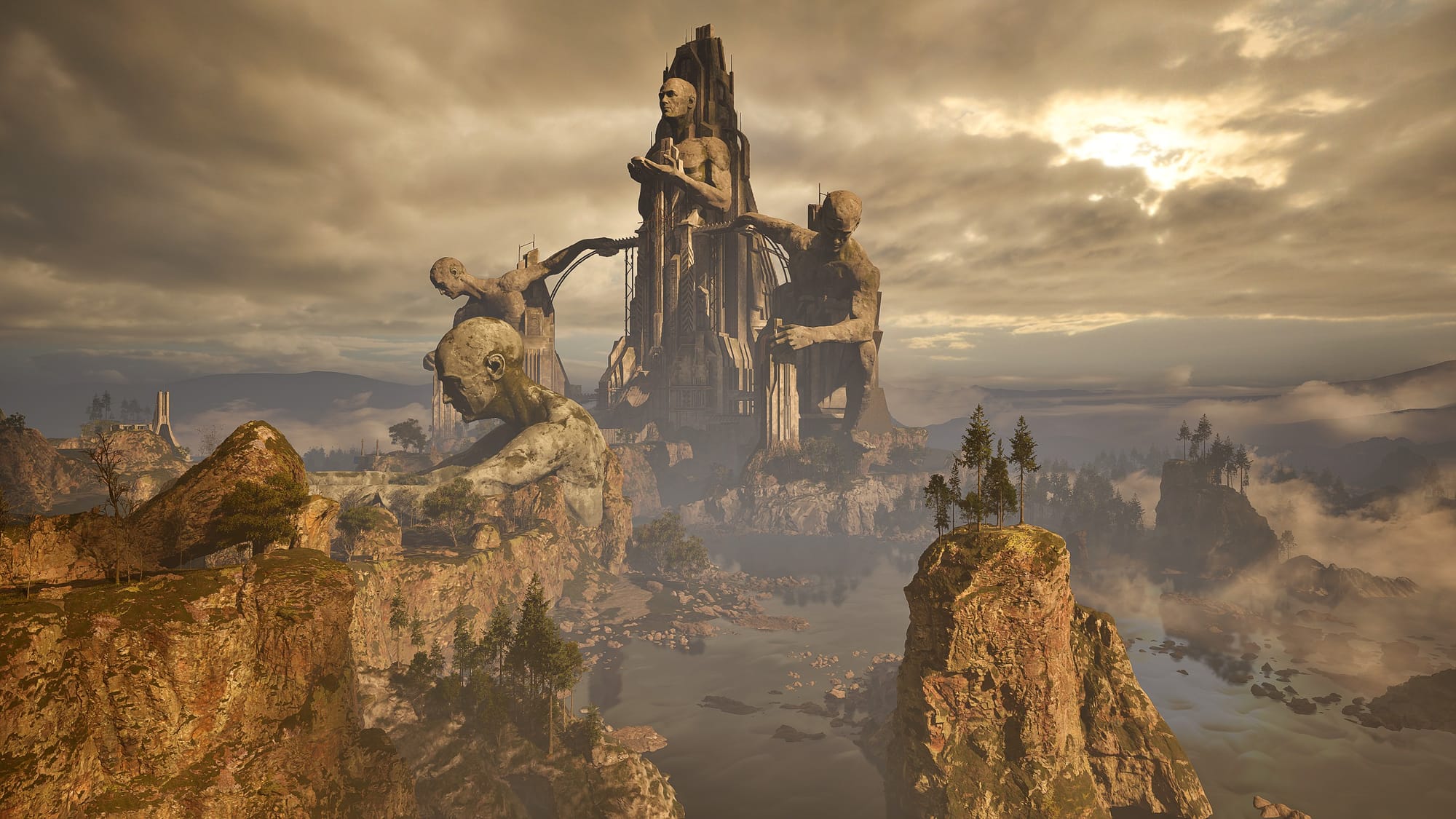
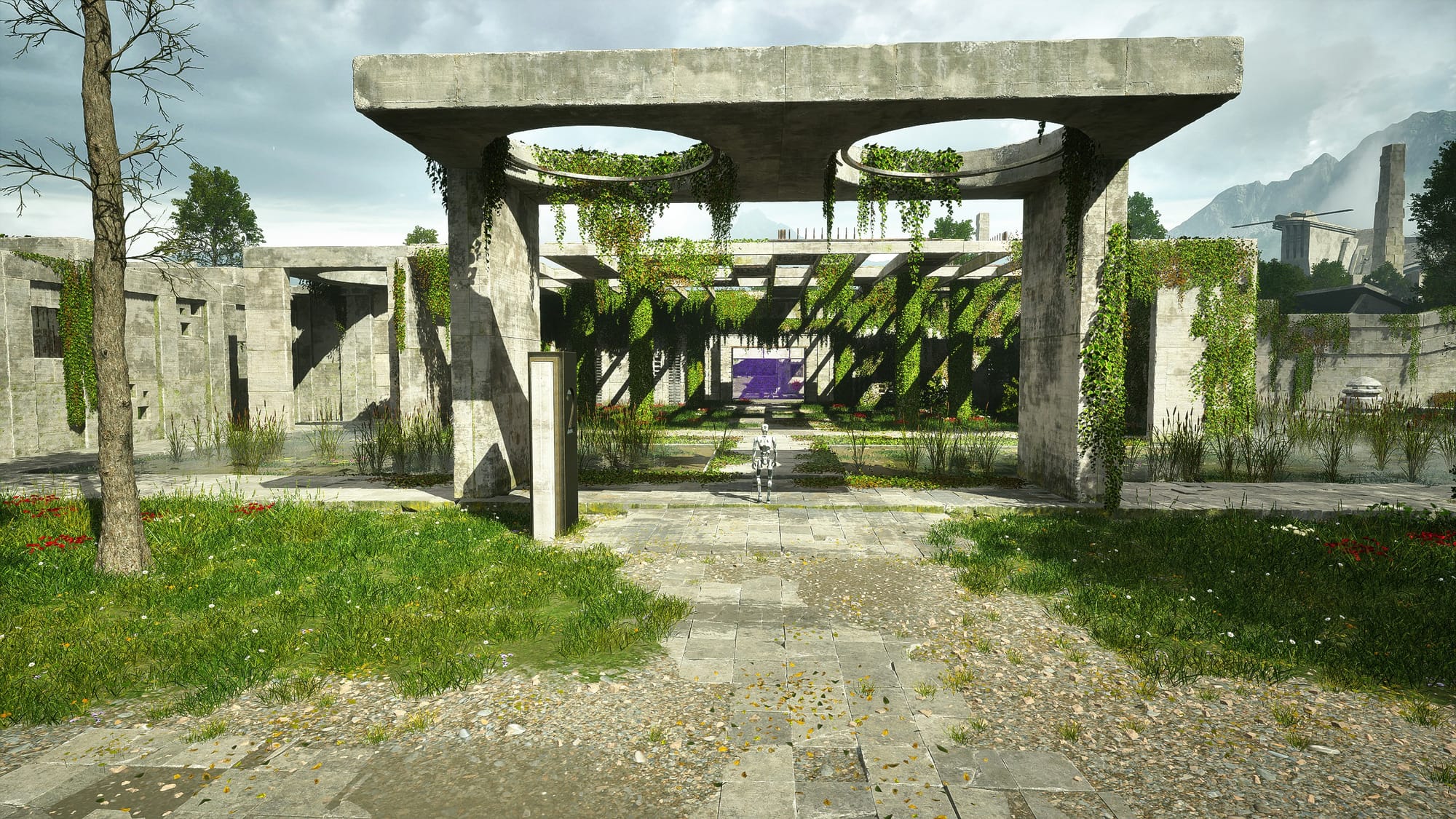
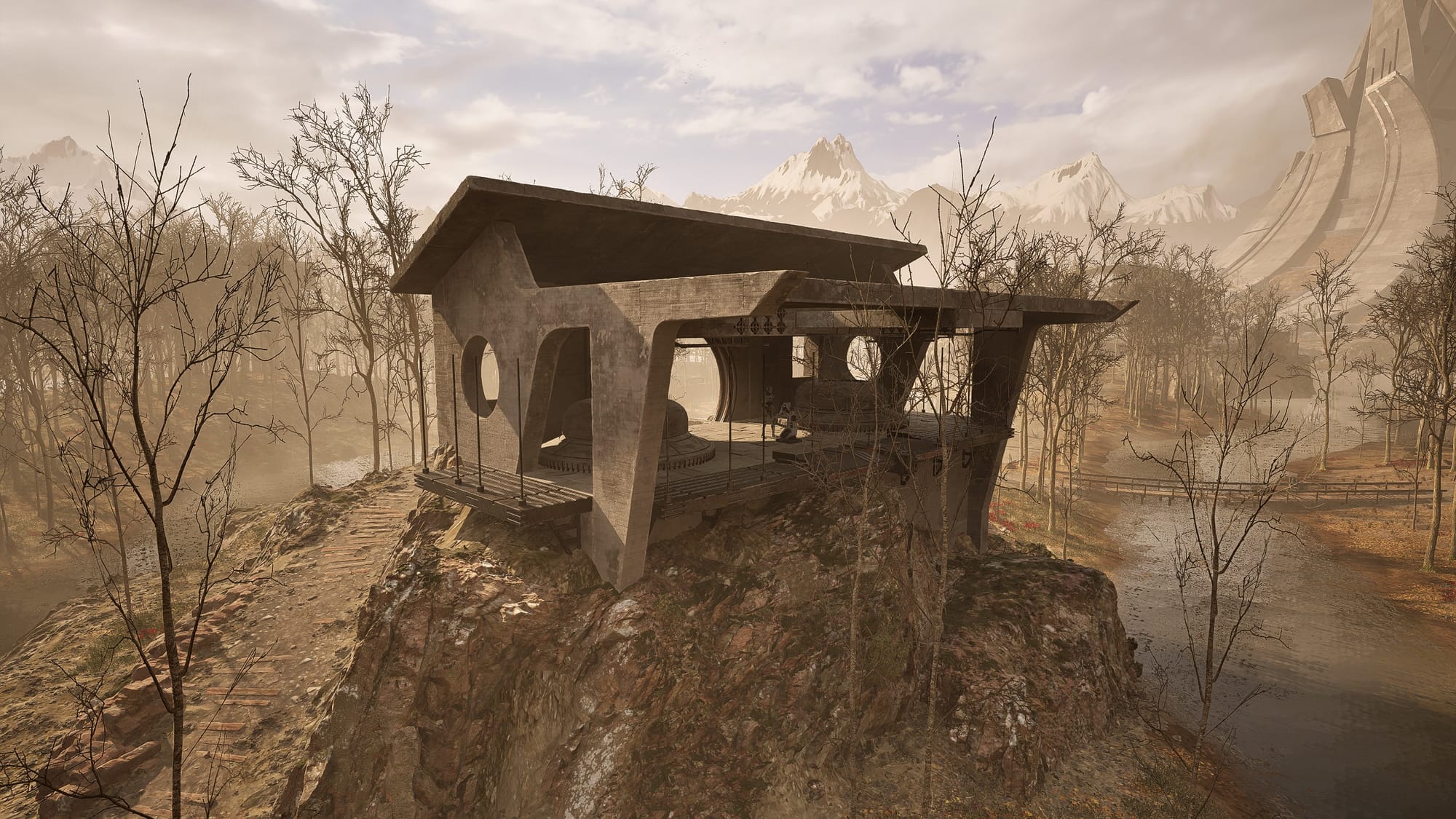
Along with each new area and biome comes a new architectural style. And I say style because that's really it, these architectural choices are mostly aesthetic ones. Puzzles are housed in these structures and functionally integrated into the architectural style but there's a lot that's just there for appearance and flair. The way some structures contrast with their natural surroundings is stark, other times it's more seamless and integrated. Either way I was consistently drawn into each zone not only through discovering its gameplay but also its architectural identity.
Side Content
Lastly, each of these zones is home to some optional content that drew me in way more than what I think existed in the first game. My favorite of the bunch has to be the Pandora monuments. With Pandora, the puzzle is that you have to activate the green receiver she's holding. The catch though is that she's just out in the open, there isn't a dedicated puzzle for her. This means you have to use the resources and devices of the entire area to figure out how to get a green laser over to her. It gets you thinking outside the scope of the puzzle box's relatively tight space constraints and has you combining lasers from multiple puzzles, shooting them across the map at weird angles, and trying to line things up that are over one hundred feet away.
I, of course, love the optional "lost" puzzles that are off the beaten path and typically a nice step up in complexity. And the Sphinx monuments can be fun too as they are simply a random, fairly vague puzzle to figure out for the area. I think the beauty of the world, as I've already touched on, acts as a nice enabler for doing more with the odd corners of these maps. I always found myself walking around just to get a look at more of the region but then would often also find myself stumbling upon hidden puzzles, easter eggs, or audio logs. It's a chill, at-your-own-pace experience that fits the laid back, friendly nature of most of your adventuring.
The icing on the cake are the "gold" puzzles. By completing every puzzle in the game, you can unlock the twelve gold puzzles with one being in each area. These feel pretty special as not only are they difficult to solve but they also unveil more about central stories' characters while leading to a major revelation. But man, some of these puzzles were brain-bendingly hard and sometimes relied on a very specific device placement or novel gimmicks that are obvious in hindsight and not used in the main puzzles. At the end of the day though, I wanted to play more Talos Principle, and this side stuff gave me that and it didn't disappoint.
This Puzzle Game has a Story??? and Characters???
Like I've said before, The Talos Principle 1 was a string of puzzle-boxes to me. There was this disembodied voice called Elohim that spouted esoteric nonsense and otherwise it was a rather lonely, chilled out experience. Well, this is where the sequel diverges in a big way from its predecessor. I already described the whole story setup in relation to the first game, but it's mainly in the execution that the sequel sits in stark contrast. I understand the first game much better now that it has been contextualized by the sequel. The lonely, simulated framing makes a lot of sense now that I understand the broader context and its mythological status for the sequel's characters.
From the beginning of the game the story engages you through its characters and their views on society and the world. My kids loved watching this game and about halfway into the story they knew all the characters' names. Melville is the yellow robot with the funny voice (British accent). Yaqut (pronounced Ya-cute) is the green one who likes cats. They got scared and ran away when Byron got trapped in the megastructure (it wasn't scary at all). They would guess which "god" would appear next, their favorite was Prometheus because they loved chasing his sprite across the map. So, the point is that, along with my kids, I was tapped into the story and characters. The game dedicates time to one-on-one dialogue with everyone while not overdoing it. The greater robot society can even be interacted with when you're in the city or via social media posts when you're out on the expedition. The main narrative gives you a lot to chew on in the way of existential questions, political dynamics, and personal relationships and does so in a well-paced manner.
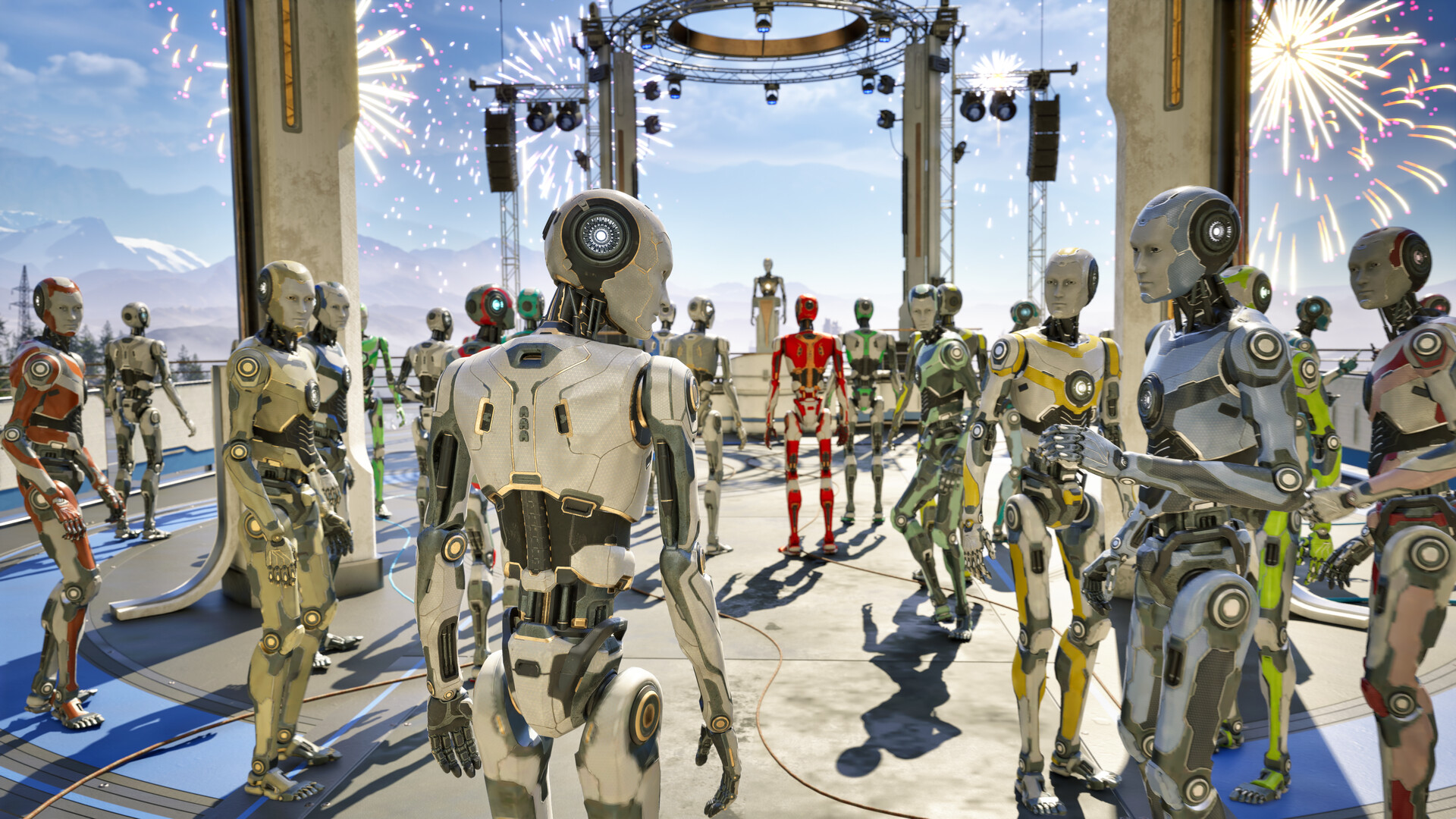
I can't say I was as enraptured with the story as I was with the puzzles and world design, but it was good enough for me to pay attention and follow along. The central debate the robot society grapples with is the idea of "The Goal". The first robot, Athena, after emerging from the first game's simulation, set out to create more robots. But in not wanting to repeat her creator's mistakes, thought it important to limit the robot population at some point. Her goal was one thousand robots and with you coming into this world as that one thousandth, you bring to the forefront that existential debate around this founding principle. Does our species' progress stop here? Can we expand further but not repeat the mistakes of our predecessors? What is the purpose of our existence? All these questions and more get mulled over, discussed, and debated thoroughly throughout the game. And for the most part I found these topics refreshing and oddly light in weight. I think I appreciate this game's demeanor being more civil and optimistic in nature despite focusing on what could be heavier topics in a different time or setting.
Last but Not Least
And last but not least, The Talos Principle 2 is a damn good puzzle game. This is why I'm here; this should be why you're here. I love these puzzles. The bulk of the game is simply doing about 150 really good puzzles. Some you'll solve in a minute, some will take ten, only a handful I had to pass over and come back later for. The easy ones are satisfying and the hard ones even more so. I appreciate that nearly every puzzle is approachable and easy to scope out. Rarely was I confused about the scale or goal. And I never really came to a standstill. I was always trying stuff, coming up with different ideas, and carrying out a plan.
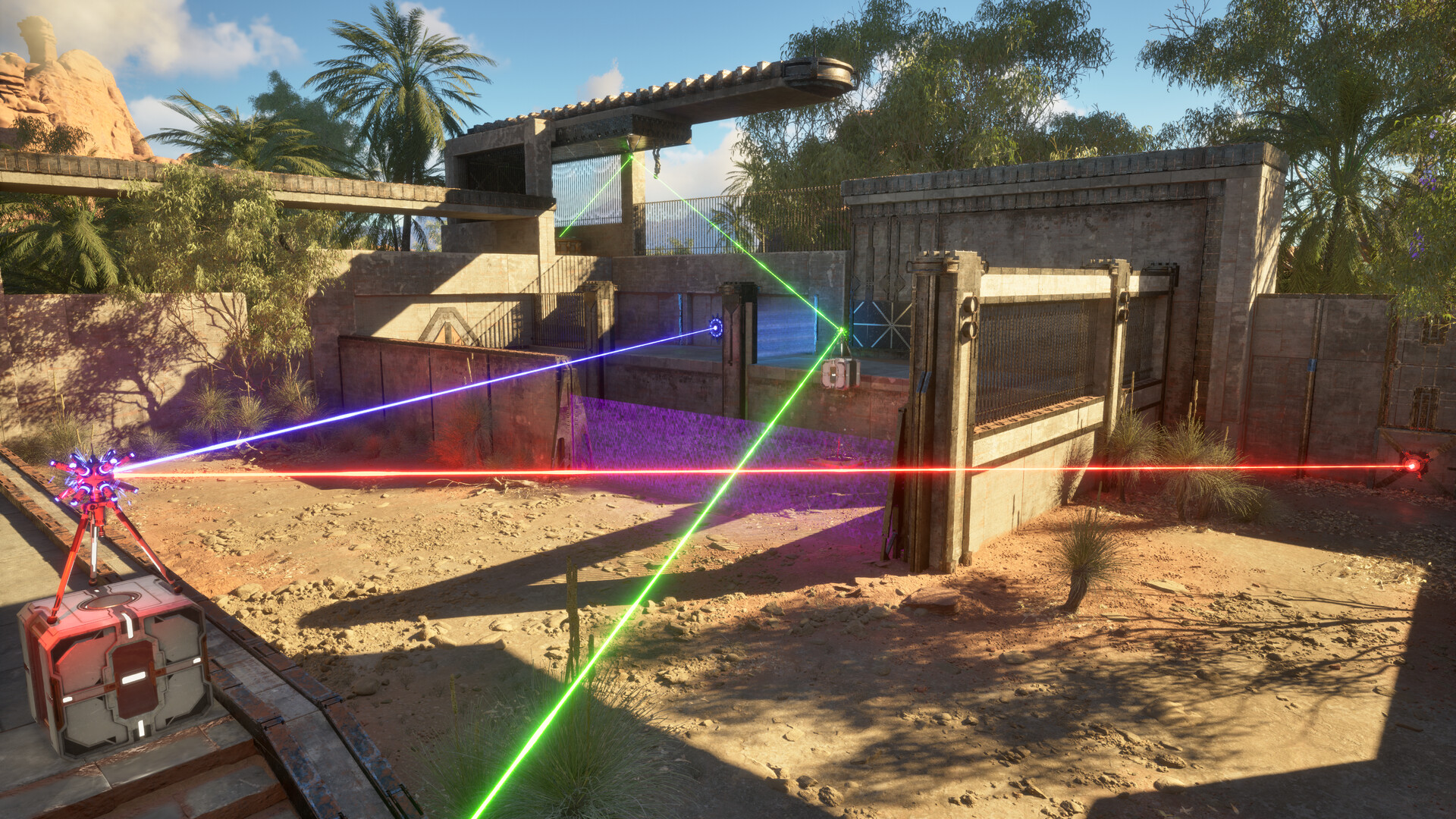
The rest of the game supports these sequences of puzzle solving too. A laid-back soundtrack with a few instrumental flourishes that come around every so often relaxes the mind and body. The visual design, while awe-inspiring and attention grabbing on a macro-scale, becomes the perfect backdrop. Interesting architectural designs become a part of the puzzle's landscape and the overall area's aesthetic puts you in an appropriate mood for the setting. Although the game can become a little walking-heavy at times, I do appreciate that the map sizes allow the puzzles room to breathe. The game feels less like a menu with a puzzle selection screen and more like a natural world with puzzles embedded into it.
Unreal Engine 5
The elephant in the room that I stepped around earlier with all the praise of this game's visuals is Unreal Engine 5. Between The Talos Principle 2 and S.T.A.L.K.E.R. 2 I've started to build up a disdain for this game engine. It is such a pain in the ass to get the graphical settings right and even then, the game can still look like shit. UE5 is incredible for screenshots. Still images and scenery without much going on push the boundaries of graphical fidelity to the point where I'm questioning reality. But then you start moving... and oh boy can things start to fall apart. Fuzzy, smeary, grainy, you name it, the game looks like it. Areas with a lot of leafy trees and tall grasses really bring out the worst, and especially when you rotate the camera quickly. All those little details turn into confusing, smeary bits of background noise that instantly snap you out of the game. The first main area of Talos is like this and it took me way too long fussing with Anti-Aliasing, Motion Blur, Sharpness, and Lighting options to get rid of that smear and even still it's not perfect. Of course, when I got to the north and there were no leaves or grass, this issue shrank away. But it always rears its ugly head again and again and not always where you'd expect it. The end result is an experience that carries with it this nagging concern that the visual presentation could fall apart at any moment. I don't like this and would rather be confident in my machine, the settings I'm running, and the quality of the image on screen.
Verdict
I was thoroughly impressed by The Talos Principle 2. As for puzzle games, this now easily ranks among my favorites. The complete package of having phenomenal world design alongside a compelling story and likeable characters while also being a well-paced, inventive puzzle game puts it in rare territory. Despite my Unreal Engine 5 related complaints, the world of TTP2 was a joy to roam around in. Strolling over a grassy knoll to find a mossy, cement, abstract structure nestled under a willow tree that houses an elaborate laser puzzle hits just the right tone and pacing. You chill out, scope the puzzle, solve it in typically under ten minutes while vibing to some laid back tunes and then venture out again for a short walk. The game has a lovely cadence as its backbone and keeps things fresh with new puzzle mechanics and foreign landscapes. TTP2 is a sizable puzzle game with my first playthrough clocking in well over 30 hours. I did complete every single puzzle possible and am honestly somehow ready for more. My plan for what's next is to try some popular workshop puzzle packs and then pick up Road to Elysium, the three-part coda to the main game. I'm excited, my kids are excited, and next year there's The Talos Principle 3, that one is definitely on my radar now.