
Prey
The Replayables #1

Game Information
Game Name: Prey
Platform(s): PC, Xbox One, PlayStation 4
Developer(s): Arkane Studios
Publisher(s): Bethesda Softworks
Genres: Immersive Sim
First Release Date: May 4, 2017
Last Update Date: December 11, 2018
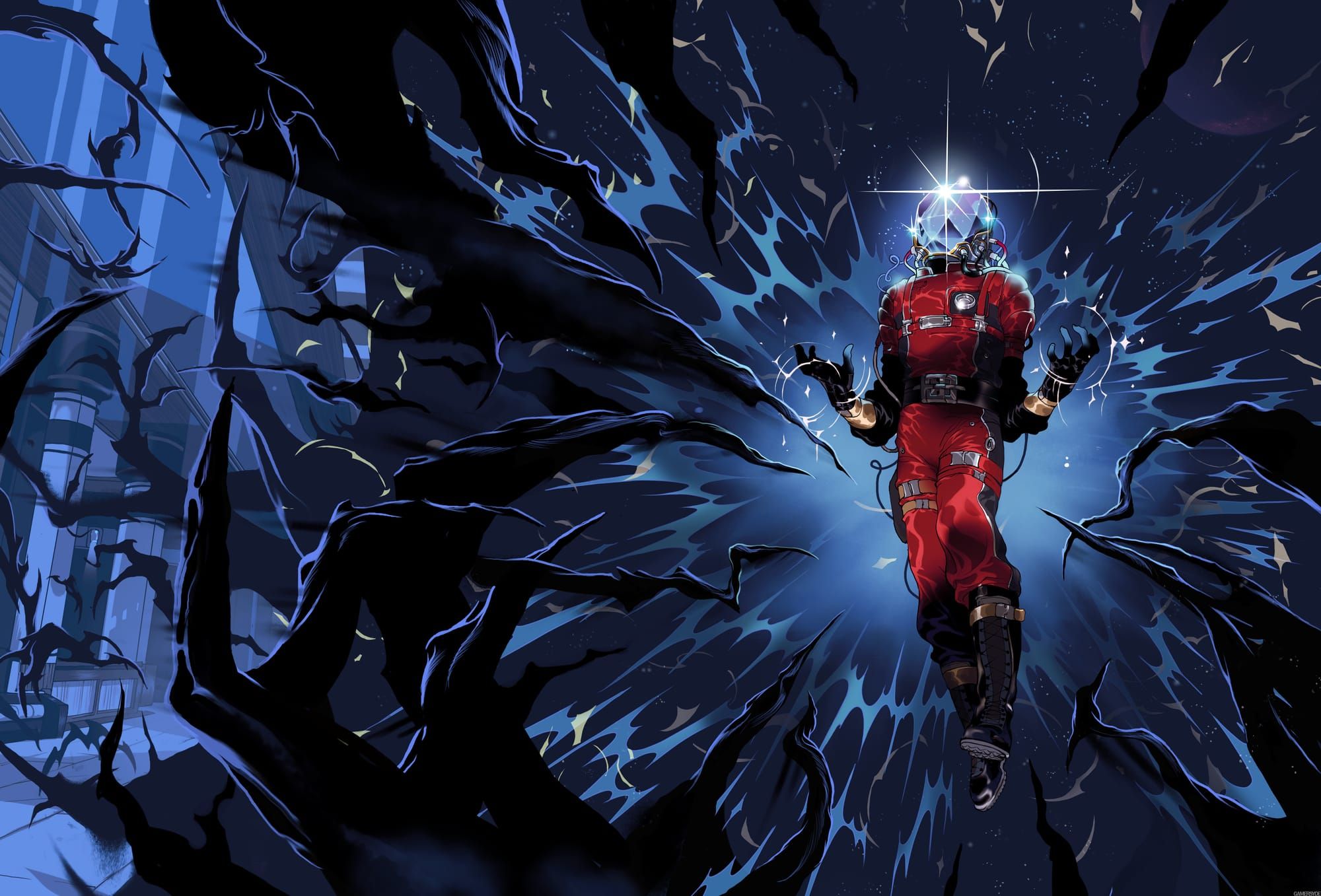
Description: In Prey, you awaken aboard Talos I, a space station orbiting the moon in the year 2032. You are the key subject of an experiment meant to alter humanity forever – but things have gone terribly wrong. The space station has been overrun by hostile aliens and you are now being hunted.
Played On
Hardware: S.T.A.L.K.E.R.
(Radeon RX 6950 XT, AMD Ryzen 7 5800X3D, 32 GB RAM)
Platform: Steam
Introduction
In an alternate history setting where JFK lives and NASA is well-funded for decades after the moon-landing, you wake up as Morgan Yu, vice president and director of research of TranStar Industries. After an accident occurs at work, you realize you were actually in a simulation aboard the lunar space station Talos I. Once a bustling station filled with researchers and scientists working in various advanced laboratories, Talos I is now a ghost town. Early on in your exploration of the space station you're contacted by two individuals of differing perspective: Alex Yu, your brother and director of the station, and January, a robotic operator programmed by your former self. January carries a message from the past Morgan Yu: destroy Talos I. From the beginning, Alex attempts to shut down this message. He argues that what we've accomplished here on Talos I is worth saving. This is what sets the stage for what is Prey, a cult classic Immersive Sim that was both poorly named and marketed.
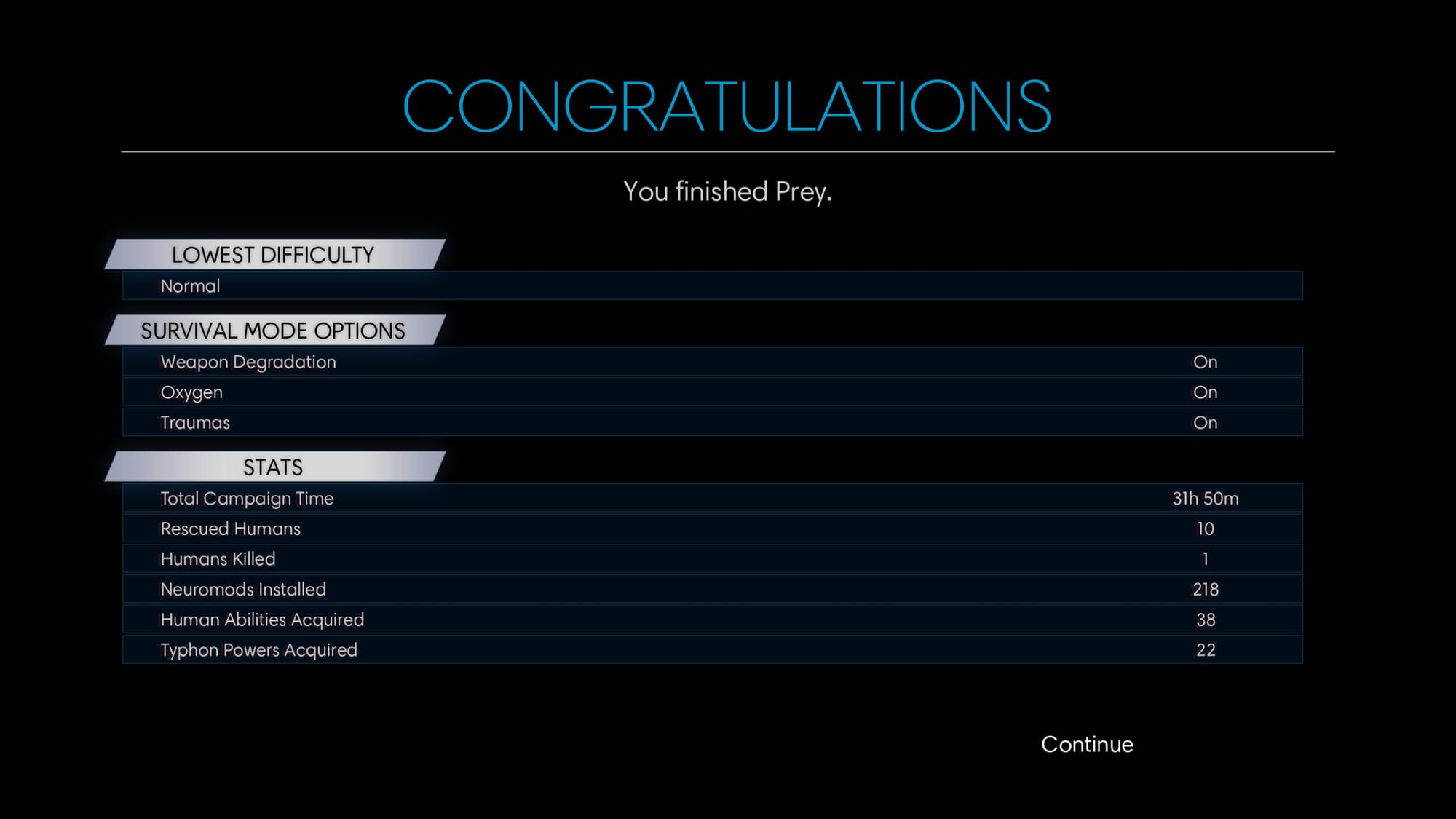
I played Prey not long after it originally came out in 2017, and my interest in it stemmed all the way back to the original Half-Life of all things. I played Half-Life because I loved Half-Life 2 and had picked up the "Valve Complete Pack" on Steam. And for some reason, in my head, I grouped together Half-Life and all of these turn-of-the-century Immersive Sims. I think simply by looking similar and playing from the first-person perspective I was drawn into Deus Ex and then System Shock 2 and eventually Thief. Thief then led to Dishonored, Arkane's breakthrough hit, and all of a sudden Prey was on my radar. At the time I ended up really liking it. I did two playthroughs, one with only non-typhon neuromods and another a couple months later with only typhon neuromods. Since then, my gaming interests have floated away from Arkane and the Immersive Sim genre, but Prey always sat in the back of my mind as a replay candidate. I don't know what did it, but in the summer of 2026 I installed Prey and did my most comprehensive playthrough to date. I fell in love with Prey and its systems all over again and couldn't get enough of Talos I. I explored every nook and cranny and ran down every little side quest. As a point of reference, I loaded up my old save and looked at the number of neuromods installed, just over 100. That's less than half from my most recent playthrough! 218 is what I ended the campaign with, just going to show how much more you can squeeze out of the world and its system if you please. Prey was an absolute blast to come back to and sparked this new article format. Enjoy entry #1 in The Replayables.
Replayability
Most Replayable Sequence
Thinking about this category confirmed I made the right choice by starting The Replayables with Prey. This category is intended to highlight the high-point of a game. It could be a shorter situation or a longer sequence of events but either way it has to best encapsulate why we play this game. Prey is nearly entirely the same level of replayable. So, when trying to parse out a particular sequence that clearly stands out, I really struggled. I love the mid-game when you're starting to become really powerful in the Arboretum/Crew Quarters/Deep Storage areas. You're able to take down once terrifying enemies like the Technopaths and Talos I is your oyster as you're able to get anywhere you really want to. There's more side quests and a lot of them are really fun and unique: the scavenger hunt with the DnD group, the "chef" situation, etc. But this stage is a close second to my winner: the early game.
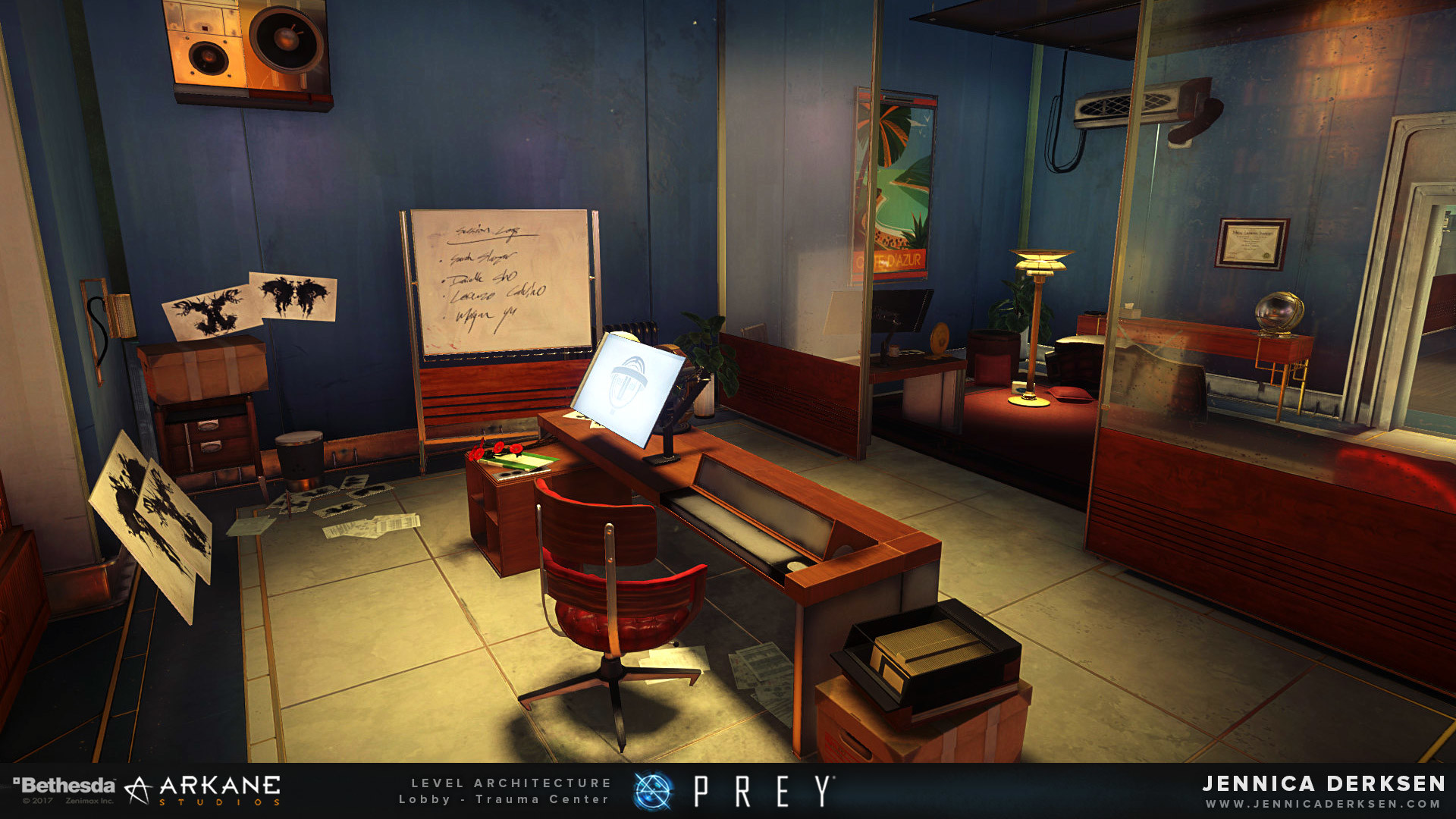
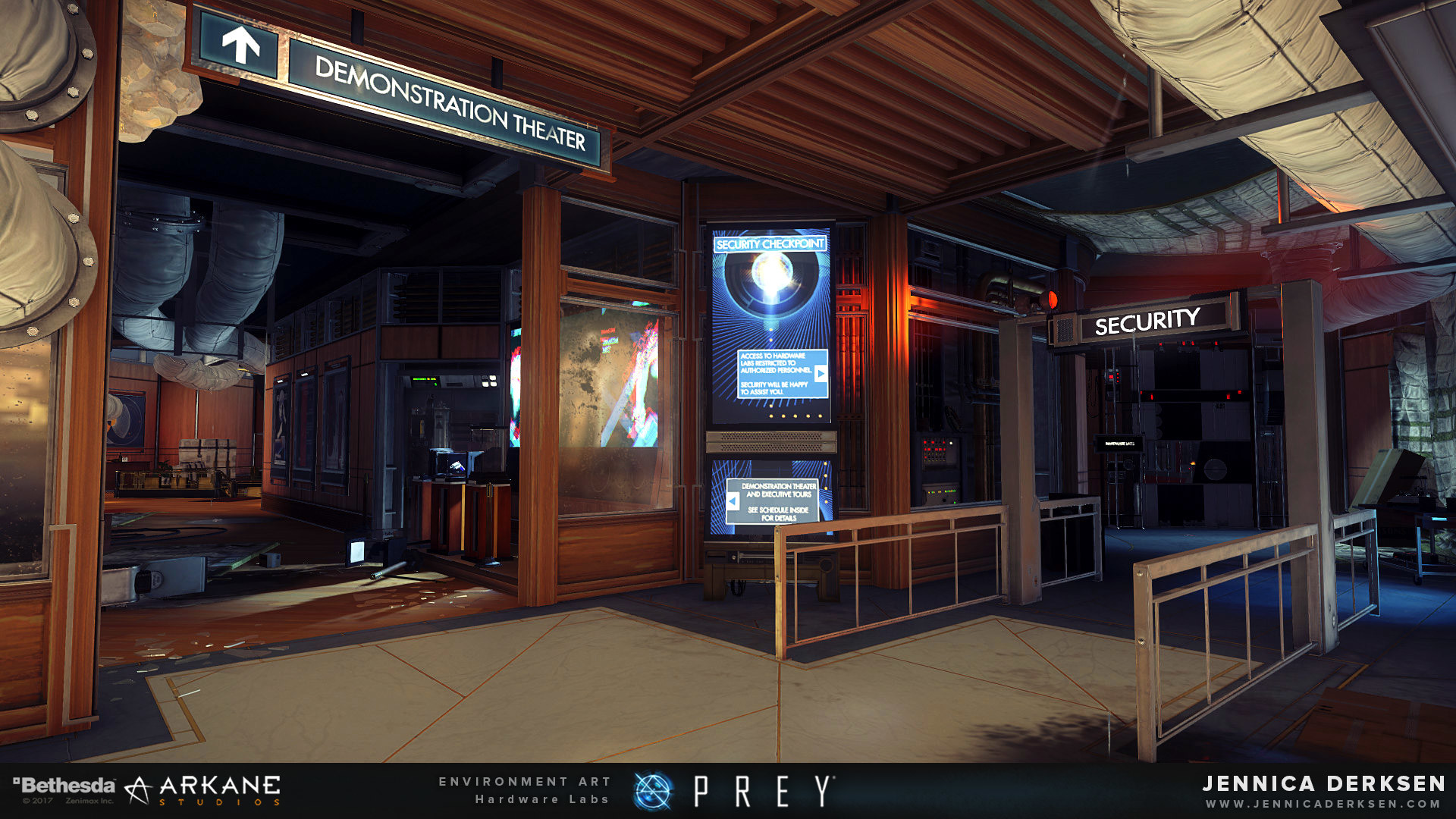
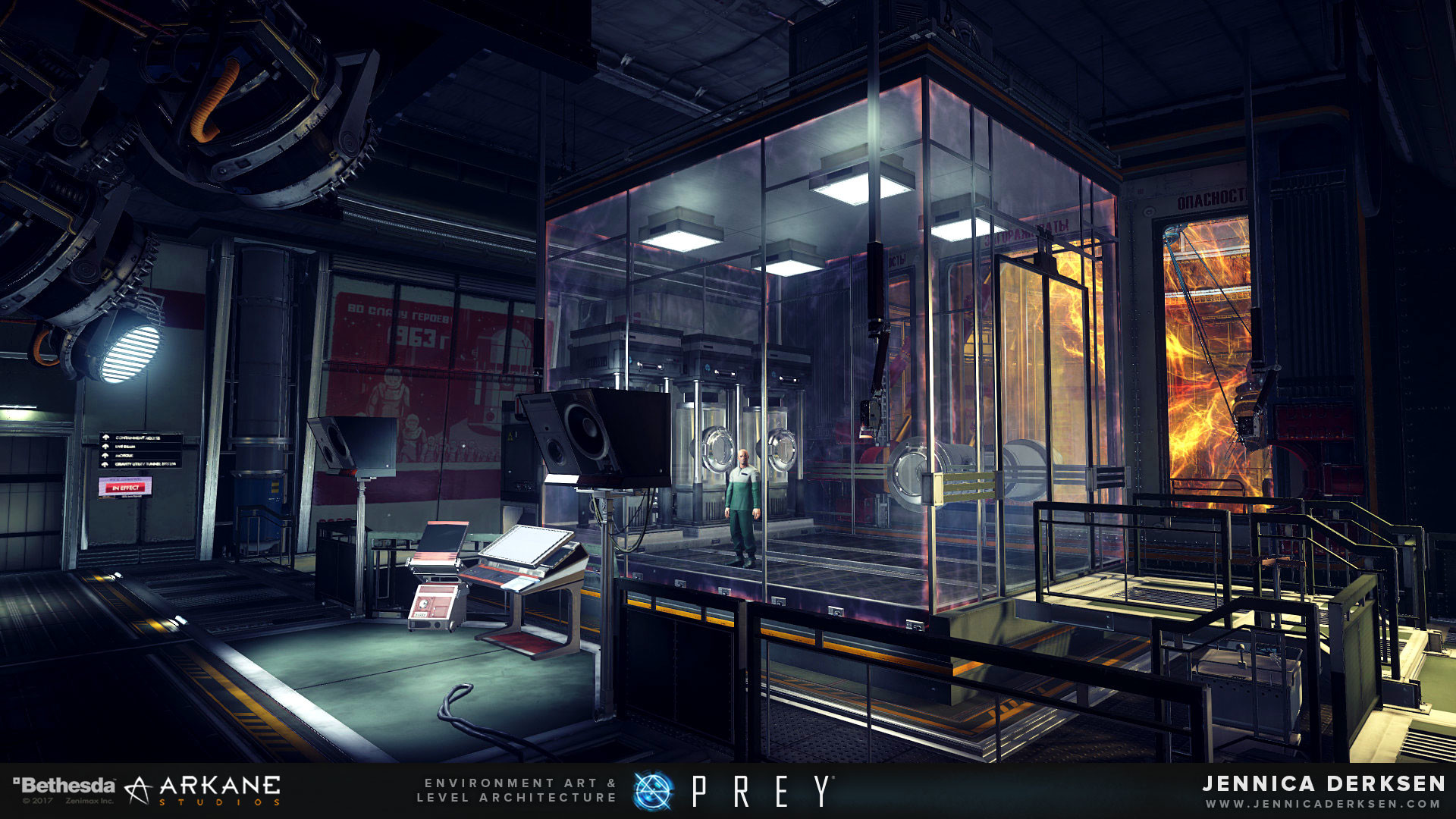
So, not the iconic intro in the Neuromod Division, which I do love, but the sequence where you go from Talos Lobby to the Hardware Labs and then to Psychotronics. The first times through these areas I'd classify as the "early-game". It's when your power level is tuned pretty low and it's early enough that you haven't been able to scale yourself past the difficulty curve. You have limited resources, have installed neuromods only in the single digits, and the other nice-to-have resources like the psychoscope, propulsion system, and the various suit chipsets are yet to be found. And despite this your gameplay options don't feel extremely limited. Yes, you're most likely still learning the game and its system so this is a smart onboarding move. But also I think it's a huge credit to the level design that it doesn't feel harshly gated like a Metroidvania for instance. With the glue gun anything is possible with enough thinking and effort, at least it feels that way. In actuality there is some hard-gating, but in practice it feels like there's always a chance to find another way in right around the corner. So, that's what I love about these opening areas. I love the level design and the limited skill set. I do think these early levels also benefit from the power scaling in the sense that any early exploration feels very rewarding because your finding this very impactful stuff that will change how you play.
Least Replayable Sequence
The easy answer is the apartment intro scene. Once you know that you're in a simulation, on repeat playthroughs, you kind of just smash a window and walk out into the lab. It's one of those situations where the gimmick, the first time around, is going to be far and away more effective. The gimmick is hardly a gimmick though, it’s extremely well-earned. The apartment simulation setup is thoroughly integrated into the story. Add on top of that, the level that's designed around it shows all the infrastructure and research that goes into creating such an experiment. Plus, like I said, while the reveal doesn't hit as hard, it's not difficult or time-consuming to just break some glass and move on.
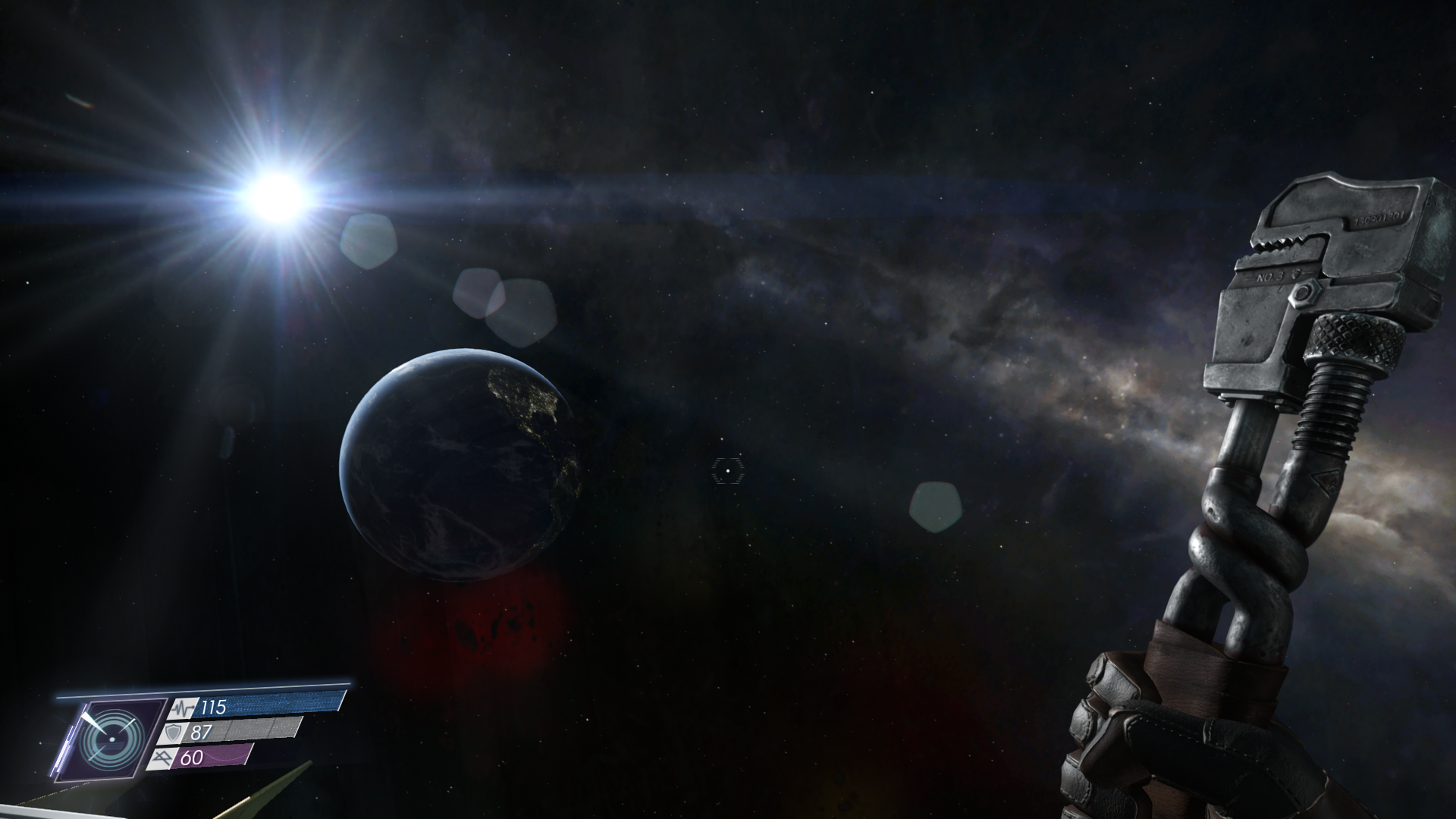
I think the right answer though is any of the space-walk sections. While I don't think they shouldn't be in the game, they're clearly the slowest part of the game. It is awesome the devs went through the effort of making the station exist in space like this though. It's super cool that you can float around and view the station from any angle, find bodies drifting around, access breached sections, and more… buutttt it is a little boring and it should be, it is space after all. So, I think this one's the winner just by its nature, even though I wouldn't change it.
Most Replayable Gameplay Mechanic
In an alternate history setting where JFK lives and NASA is well-funded for decades after the moon-landing, you wake up as Morgan Yu, vice president and director of research of TranStar Industries. After an accident occurs at work you realize you were actually in a simulation aboard the lunar space station Talos I. Once a bustling station filled with researchers and scientists working in various advanced laboratories, Talos I is now a ghost town. A ghost town with plenty of what you could call the quintessential Immersive Sim gameplay enabler: the locked door. Talos I is an explorer's dream, and the locked door is the primary puzzle that the exploration revolves around. The scale and attention to detail of this large, lunar station is tuned just right that a single door draws just the right amount of attention. There's not so many that it's tedious and there's not so few that if you can't get into one there's nothing else to do. These locked doors float around as a semi-optional puzzle that teases all sorts of goodies inside. Resources, weapons, robots, upgrade items, notes, computer terminals, and buttons entice you with the prospect of being able to open more doors. But why? What is so interesting about opening doors and what's the puzzle element to such a basic operation? Why is it the most replayable gameplay mechanic?
To demonstrate the variety of ways one can solve the locked door problem, let's run through all the possible solutions I discovered during my most recent playthrough. Let's start with the most direct solutions: interfacing with the door itself. There are four options I saw here: finding the appropriate keycard, finding the correct keycode, hacking, or pushing a manual open button. Other than hacking, I love these options; each promote exploration in their own ways. Keycards are typically found on someone that works in that area, so often this route can result in a scavenger hunt for a dead employee. And if you're wondering how you would determine which employee to look for, have no worries because Talos I does a great job of keeping track of everyone. Each employee has a tracking bracelet and each area has a security station where you can see the location of everyone on the station. Often, emails and notes can paint a picture of what was going on in the department, giving you an idea who was in what role or where someone headed off to. Sometimes it's as simple as: I need to get into the surgeon's office, let's look him up on the security terminal. Keycodes are more of an attention to detail thing, testing how thorough you can be in exploring an area, looking for hidden sticky notes or obscure email chains. Pushing the manual button is a funny one because how do you push a button if you can't get to that side of the door? Oh right, you have a nerf gun and the nerfs have capacitive tips that can activate push buttons and touch screens, how convenient! It will never not feel amazing to smash the glass on the side of a security station and shoot nerf darts through the steel bars, nerf-darting through the terminal's menus to get the utility screen where you can press the "unlock door" button. It might take 10 shots of the nerf gun, but nothing is more satisfying.
The next category of solutions is summarized by the phrase: "just look up" and by 'look up' I mean physically look up above you. It might not be apparent immediately, but it is important to learn that Prey's levels were designed with a lot of verticality in mind. It might not be apparent because when you look up you might just see boring pipes and choose to go elsewhere, but that's the wrong conclusion. If you can't get past a door, make sure to look up. Look for pipes, check if the room you're trying to get into has a ceiling, many don’t, do a sweep around the area and look for sneaky maintenance hatches, and when in doubt you always have the handy glue gun to force vertical traversal. Even if you don't find a way into that particular room, there's a good chance you'll find something else of interest while exploring vertically.
Lastly, sometimes you just need to move the thing in your way. The strength-type ability is an Immersive Sim staple and here it does exactly what it sounds like. It lets you pick things up and then put them down. Is there a big cabinet blocking the doorway? Just level up strength and pick the damn thing up then. This actually combos nicely with the 'just look up' category too. Sometimes you need a little boost to get somewhere high up and moving a couple of boxes over can prove to be a simple solution. On the flip side if you're a weakling, you could also just pull out a recycler charge and toss it at the blockage to turn into resources and open up the doorway at the same time. Moral of the story here is: the problem isn't the locked door, the problem is thinking through all the possible solutions to get through said door. The tools in your tool belt can be tough to keep track of but are super satisfying to use when you do.
Least Replayable Gameplay Mechanic
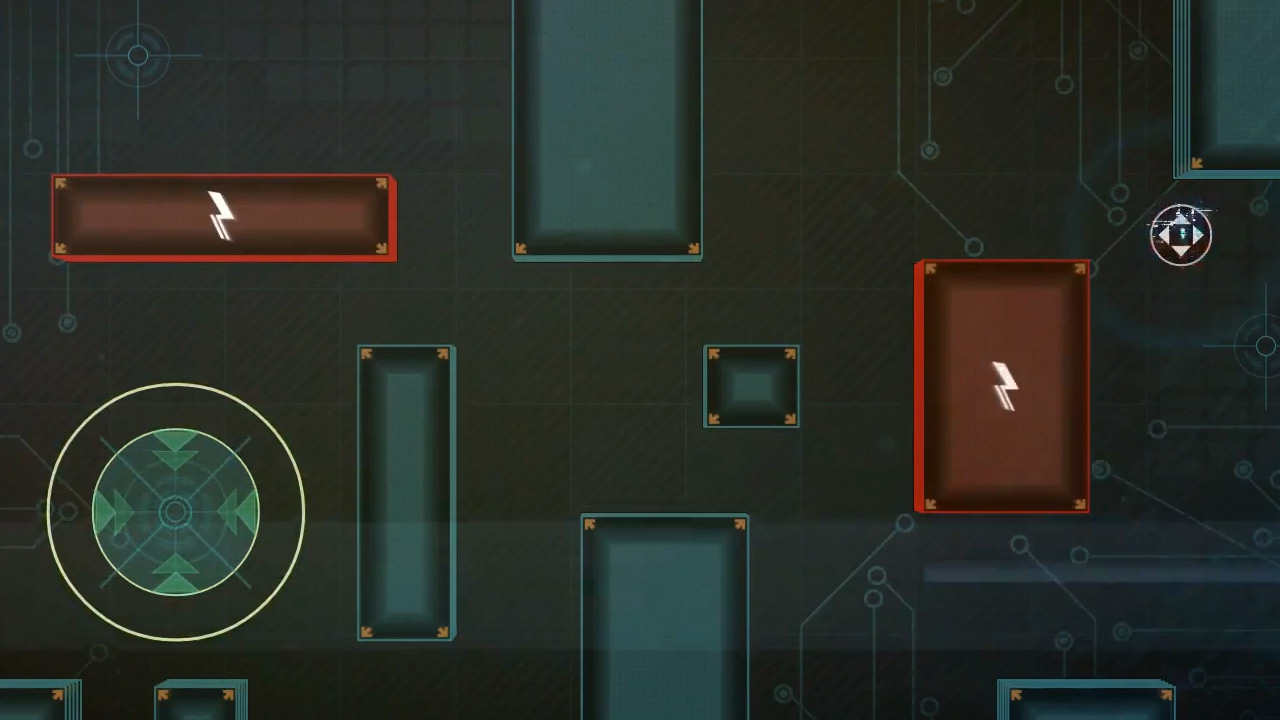
Hacking… This will come up later, so I'll keep this brief, but there had to be a better way to escalate the hacking difficulty. For level 1 you have to navigate a dot to another dot through a very easy maze within a limited time. For level 2 this is repeated, for level 3 you have to do it three times, and you guessed it, level 4 hacking requires you to repeat the same thing four times…. What were they thinking here?
What’s Aged the Best?
Testing someone/something for empathy before putting them into a role that substantially affects humanity. Man… that sounds like a great idea that we should repurpose in real life. If only we could take really important and powerful people and run them through a simulation to determine how empathetic they are before handing the reign over to them even more…
What’s Aged the Worst?
The loading screens. Pretty much each area requires a loading screen to enter. It's not a huge deal, but I feel like if this was made a couple years later, there would've been significantly fewer. They interrupt the flow somewhat and they pop up slightly too much. Especially in the late game when you're bouncing between areas quite frequently. Nowadays I think you'd have one loading screen for exiting the space station and then maybe another would be incorporated into the elevator with some trickery.
The Functionality and Customizability Rating
Prey runs great on modern hardware. I had zero issues, no bugs, crashes, or stutters. The visuals don't blow you away at this point. But the consistent art style and good performance lead to an experience that hums along reliably and looks good at the same time. I maxed out all the graphical settings at 1440p and was able to consistently be around 90 fps. I did use two mods, one changed all the reticles to a simple dot. I didn't like the more extravagant reticles that took up a lot of the screen. The guns already feel very tight to the screen and I didn't need another bulky UI thing to look at. I also used an aptly named mod called UnDarken to undarken the screen specifically during enemy encounters. That was one thing I did remember not liking from my previous playthroughs, the screen became a bit too muddied when shit started to go down.
As for game settings, I played on the normal difficulty. I think I could've gone one higher. I always underestimate how powerful it is to have played a game previously. I enabled all the "Survival Mode" options after not having played with them before and honestly they were a bit of a let down. Only a bit because I rarely remembered that they were even a thing. Weapon degradation is a non-factor, there's so many repair parts and extra weapons are everywhere. The oxygen option is even more of a non-factor because I genuinely have no idea what it is even though I just played through the game. I think the traumas option is fine and might as well be in the base game. Getting injuries that give you specific side effects is neat and finding or crafting the exact medical item you need isn't always immediate. So, once or twice I was caught bleeding out taking extra damage with every sudden move.
The Awards
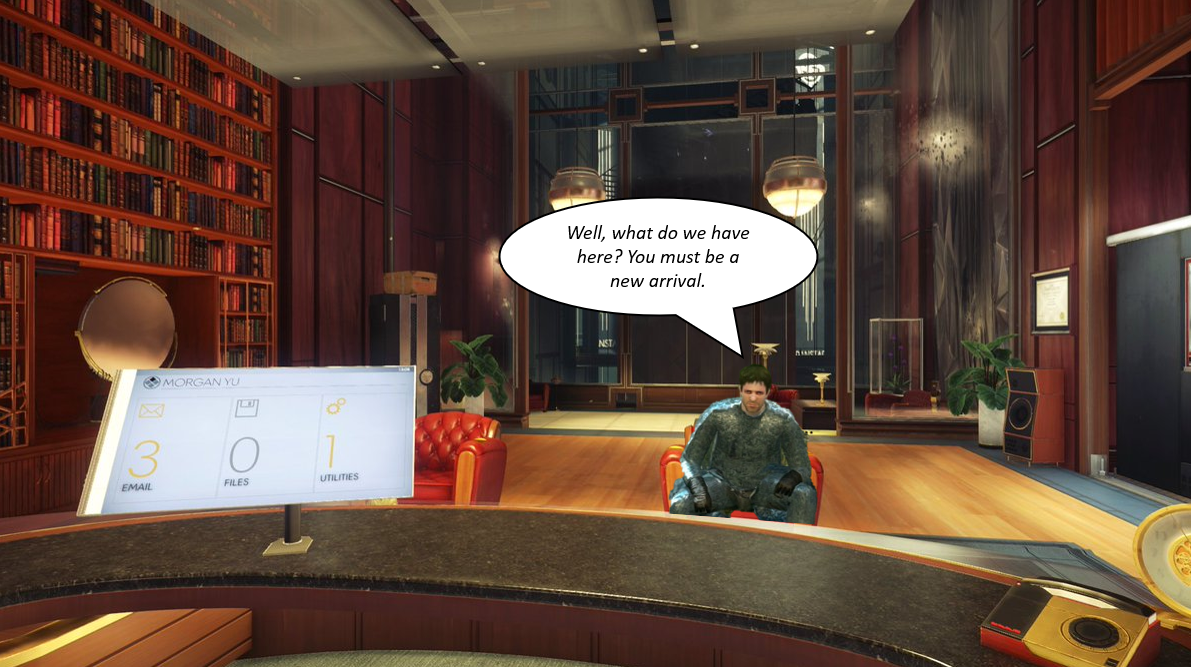
It's the arrival into Talos I's lobby. The start of the game keeps you in the tighter simulation labs, and when you initially enter the lobby it seems like more of the same. But when you turn the corner and come out onto a deck, you see massive windows stretch up to the heavens and wrap around your screen. As you walk down the stairs you get a full view of where you are. You're in outer space orbiting the Moon and as you realize that a piece of debris smacks the hull of the station puncturing a hole that ejects the contents of somebody's room out into the void. The musical score comes in at the right time, that collision is choreographed nicely and the lobby's scale is simply impressive. What an entrance.
This is a tough one because Arkane did a great job making each area memorable in its own way while still making everything be a part of a cohesive whole. I love Crew Quarters for all the side quests and personal stories that are wrapped into that area. Psychotronics is memorable because of its darker tone. The Reactor has this impressive vertical scale. Cargo Bay is where all the holdouts are gathered together making a stand. The G.U.T.S. has that awesome track that hits just as you’re transitioning to zero gravity. And I have a soft spot for Hardware Labs, I just think it's a great early level that shows you the ropes and subtly teaches you the ways of the Immersive Sim. I could go on but if I had to pick one I think...
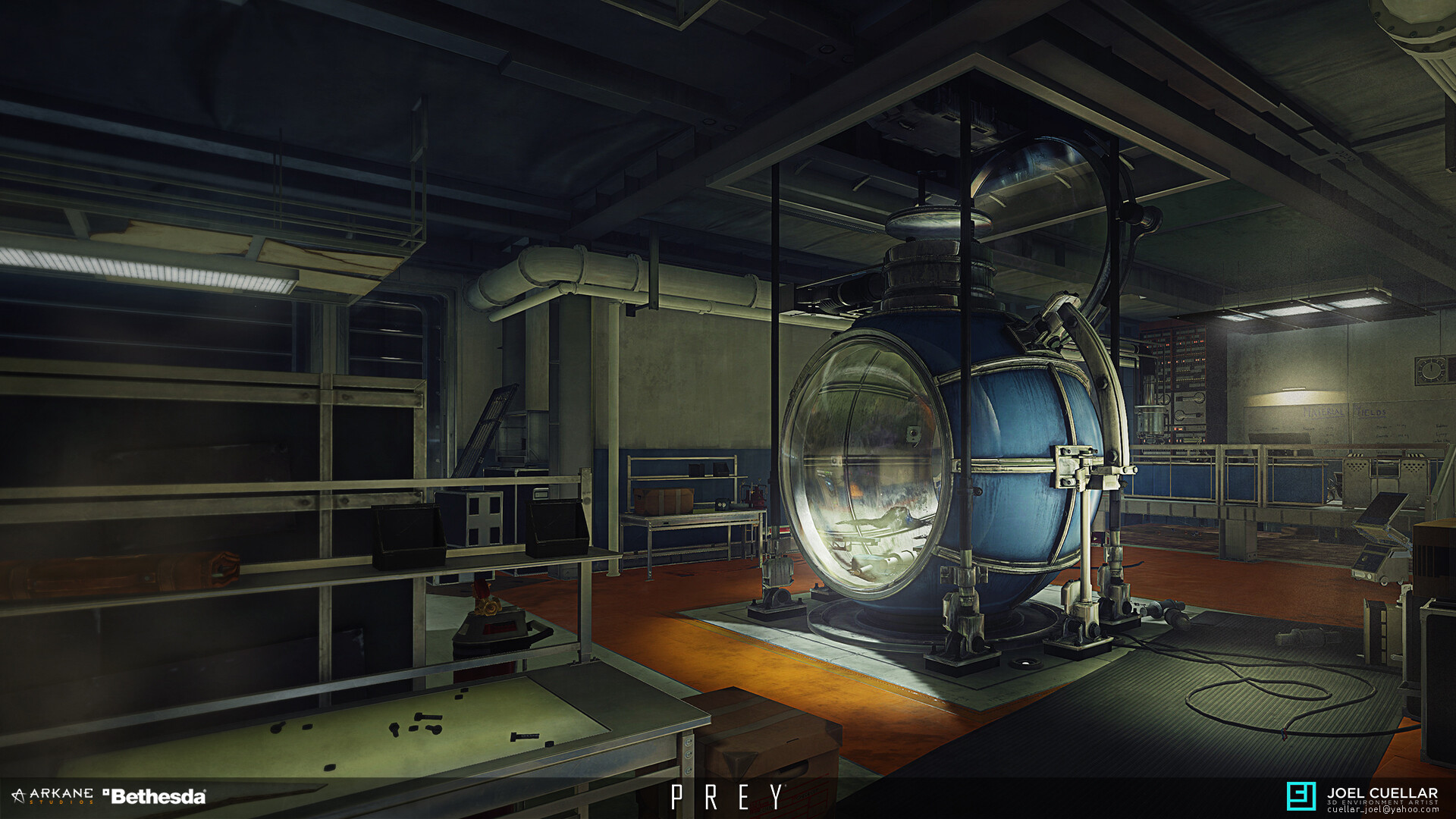
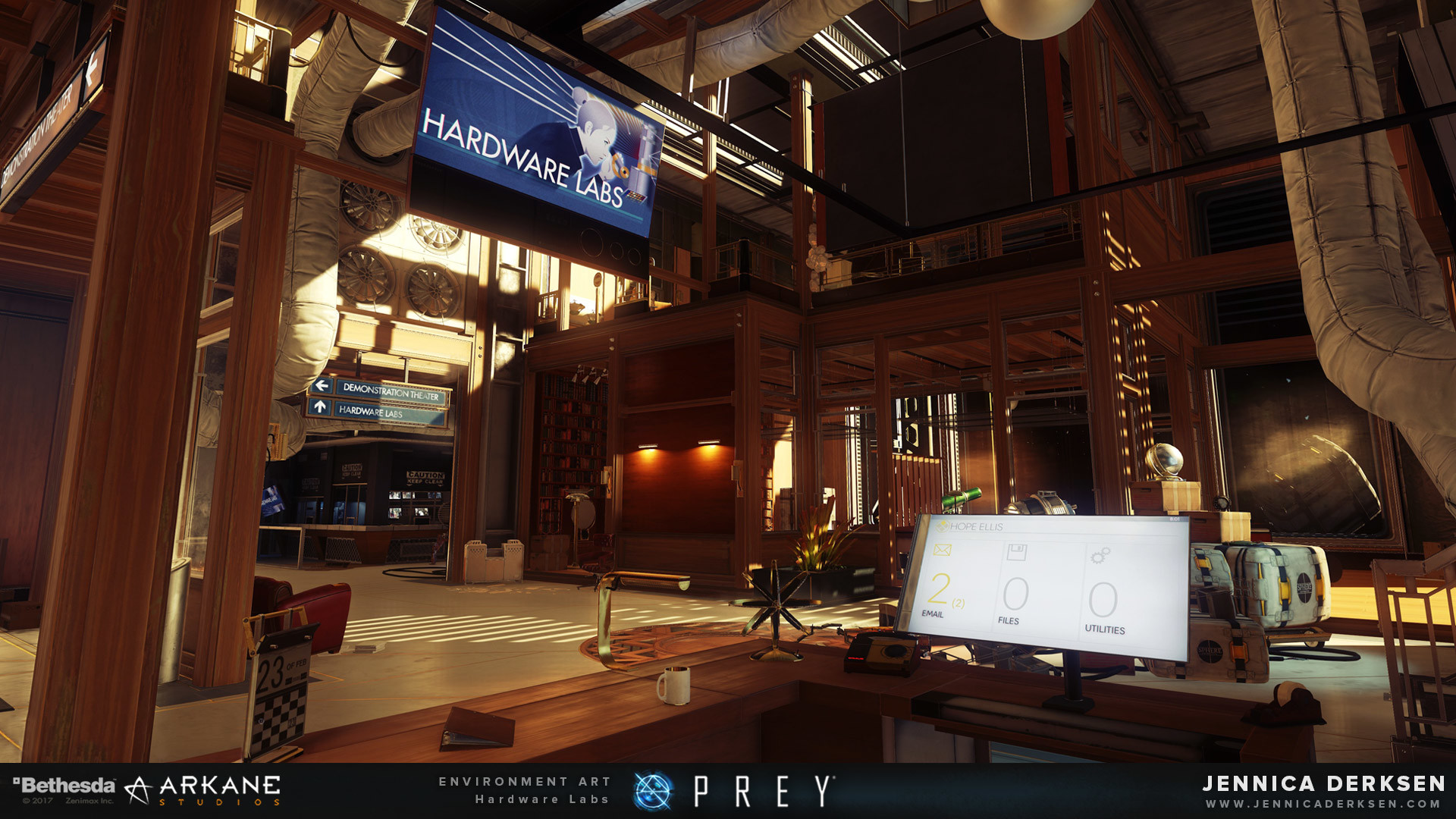
I'm going to go with Hardware Labs, I just talked myself into it. It's not the most breathtaking or expansive, but it has the right density of interesting things to do. I love Calvino's workshop with the super cool looking glass, the recycler experiment room is fun for testing out that system, the theater room has the nice demonstration on how to use the glue gun for platforming, and there's a bunch more. There's a reason it's here and a part of the most replayable sequence in the game.

Semi Sacred Geometry is a banger. In the middle of the game you're searching for voice samples of Danielle Sho, more on her later, and find out she sang at a company celebration at the bar in Crew Quarters. When you get there, you find a whole DJ set, drum kit, mini stage etc. If you turn power back on in the area you can replay her singing Semi Sacred Geometry, which with the speaker setup they have in the place really blows your hair back, but it also alerts a couple thermal Phantoms to your location. So, it's a pretty cool scene, you battling it out versus Phantoms in a bar with the music blasting.
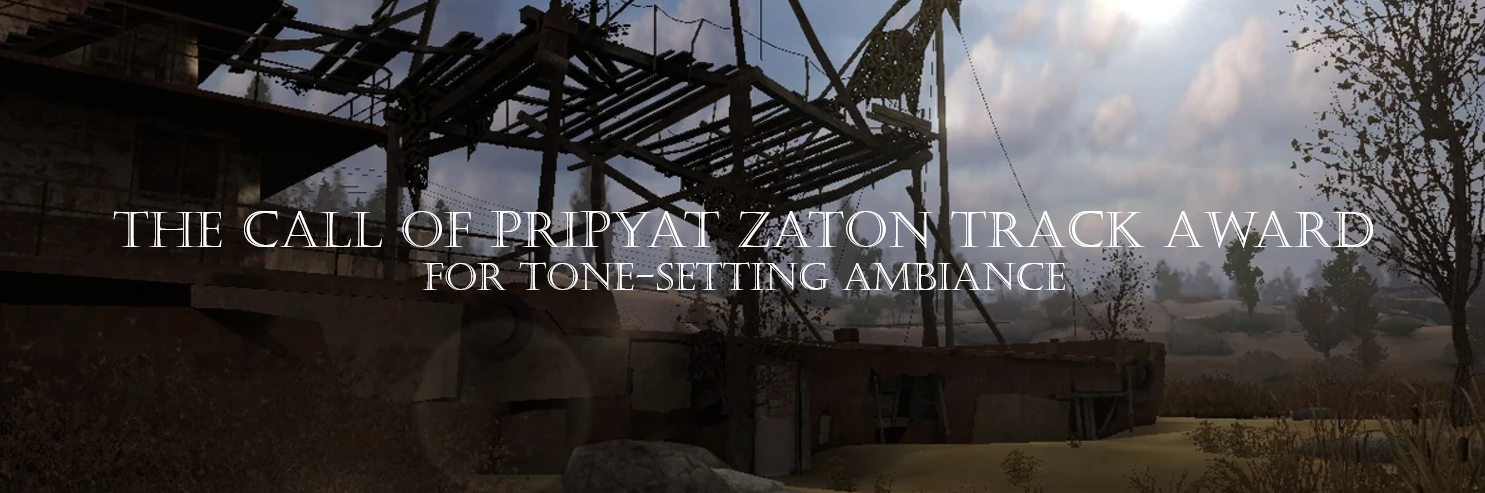
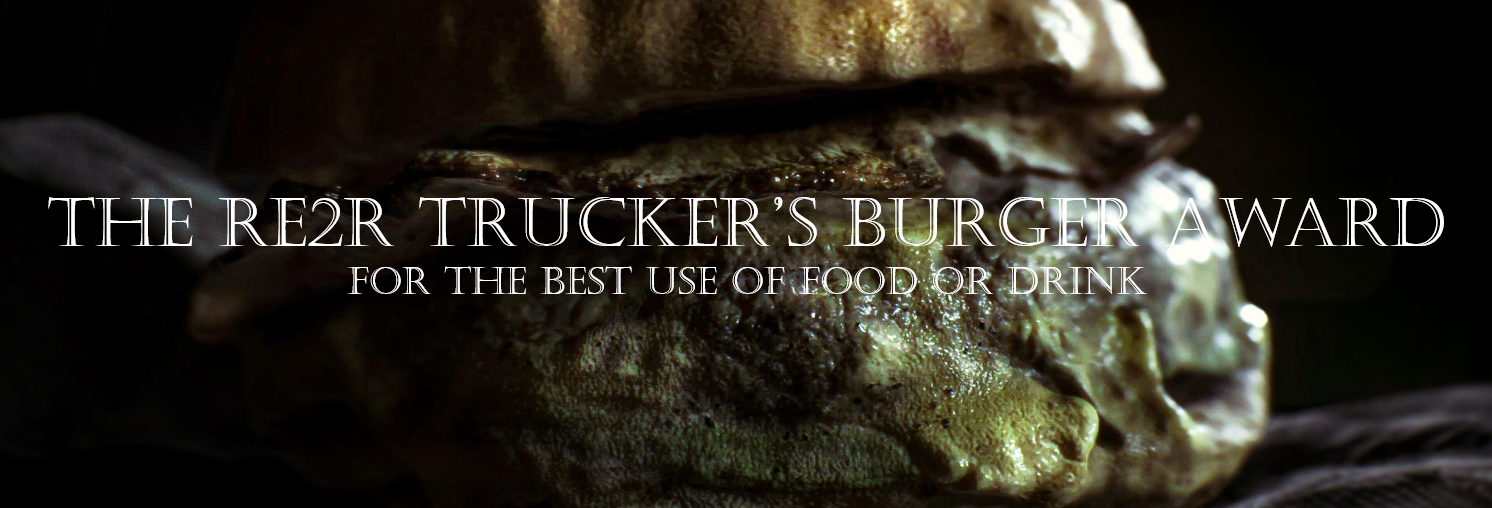
We have a couple candidates here.
Love this one. It plays when you enter the G.U.T.S., a zero-gravity maintenance and transportation shaft. A unique area with a unique vibe.
A more hopeful track that I associate with the positive interactions you can have with other survivors on the station. Thinking Danielle, Dr. Igwe, Mikayla...
Full of regret, melancholic even, this track embodies the empathetic side of Morgan when it comes to her brother Alex. He also comes off this way too although it's hard to know for certain how sincere he is being.
The winner though goes to a track that I actually completely forgot had anything to do with Prey. And that was its main menu soundtrack. That modulating, humming sound was stuck in my ear for years but became disassociated with its source. I remember trying to seek it out, thinking it was from The Walking Dead or some other zombie flick. I finally rediscovered its origins while compiling a comprehensive YouTube playlist of all my favorite video game soundtracks. I literally combed through the OST of any game I put time into over the last 10-15 years and if I had that internal jolt or an immediate connection to the sound it went on the playlist. When I arrived at Prey, I wasn't particularly excited, nothing stuck out from memory, but that changed pretty quick. The first track, The Experiment, was it, the one I had long sought out, and it was still absolute fire. You know a track is great when you want to spend an extra couple seconds in the main menu screen just soaking in the vibe. I absolutely love a good main menu theme like this, think Shadow of Chernobyl, Amnesia: The Dark Descent, or The Last Spell. I then had to go check myself and I was kind of spot on with my Walking Dead comp, tons of similarities in these two tracks.

"What does it look like, the shape in the glass?"

Every good mystery needs that line that sticks in your head and encapsulates that essence of the experience. This is that line for Prey.

"The people that come after us will be smarter, stronger, immortal. They can judge us if they want, but they'll know they exist because of the things we did."
Morgan's older brother, Alex, definitely has some Vesemir vibes. This one captures his brash wisdom well. Also, I only just found out that Alex is voiced by Benedict Wong. What an excellent performance and choice.
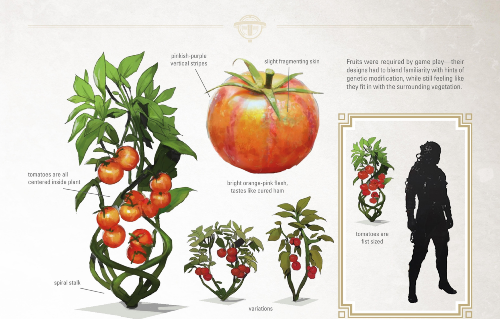
Dr. Howard's Superfruit. There's a side objective to find Dr. Julien Howard and get the fabrication plan for his special growth formula. In the Arboretum there's a garden area with a sprinkler system. You can use it to grow this superfruit which fully replenishes health and psi upon consumption, plus you can repeat the process however much you want. Not too shabby for a fruit.

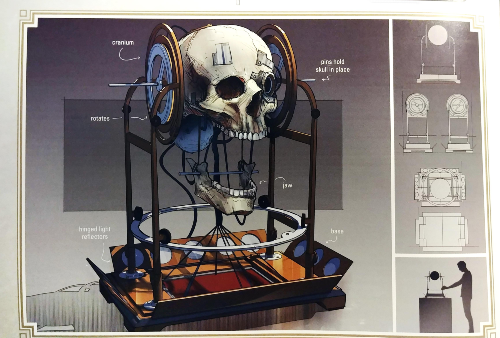
If I drank coffee it would be the Transtar mug. Subtle and useful while being a nice reference to the opening sequence with Dr. Bellamy. But since I don't drink coffee, I think the neuromod display case with the human skull would be a pretty neat thing for the shelf.
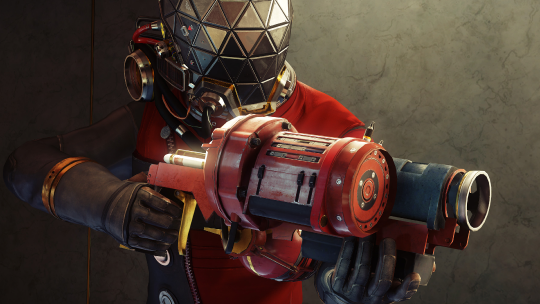
This has to be the Glue Gun. It's multifunctional with applications for traversal, combat, puzzle solving, and more. The sound it makes is punchy and sticky. It doesn't feel special to acquire or anything like that, but every time you pull it out you feel a little more ingenious than the next guy.
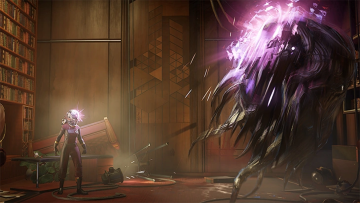
Psychoshock. Missed it the first two times around, but on this playthrough I learned of its strength. Psychoshock plus the shotgun is devastating to anything that moves.


Everyone on Talos I is accounted for via tracking bracelets. There were 275 humans aboard. How many can you track down now? Well, because the game's exploration is so compelling on its own, I fully embraced this goal of finding everyone on board the station. Thorough exploration can only get you so far though and that is where the Talos I's security stations come in very handy. Many employees are easy to find at their workstations or out in the open. But there are definitely a few funky ones that will get you turned around.

Halfway through the game you try and enter Deep Storage, the station's massive data repository, looking for the fabrication plan for the self-destruct arming key. Deep Storage is locked down however and only accessible via voice recognition of the Chief Archivist Danielle Sho. This sets off an awesome sequence of inter-related quests in Crew Quarters that all tie into Danielle Sho's story. Gathering Echoes is the name of the winning quest here, but we'll also touch on all the adjacent quests that make this section of the game phenomenal. So, acquiring voice samples of Danielle Sho can be accomplished in a bunch of ways. The dev team got really creative here and built out this whole world surrounding Danielle. You learn she was seeing a therapist for anger issues, so you can hear a recording of one of her sessions. You discover she was part of a DnD group that was led by her ex-girlfriend Abigail Foy, so you can listen in on old transcribe messages found in their cabins where they're talking about their relationship and such. She was an amateur singer, you can play one of her tracks, Semi Sacred Geometry, in the bar/karaoke area. You can also find the dead body of Abigail as part of the 'Chef' side quest which leads to a way you can actually meet Danielle herself.
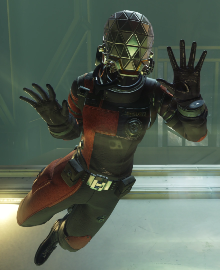
Gathering Echoes is an incredible confluence of quest design, storytelling, world-building, gameplay, and level design. The level of detail and intimate storytelling transport you back in time to when these characters were going about their days, walking the same halls you are fighting through now.

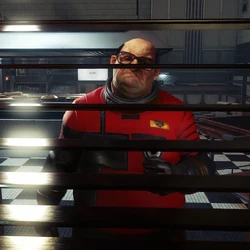
The "Chef". When this guy pops up over the loudspeakers in Crew Quarters you know something's cooking both literally and figuratively. If you know you know.

Prey is innovative in so many ways but it feels like they just ran out of ideas with the hacking system. What we got was the most bog-standard, mildly boring, mindlessly easy mini-game possible. And it just clashes with the rest of the refreshing design found everywhere else. In my opinion, it's so generic that I'm surprised it wasn't cut altogether.
Shooting buttons or touch screens with the nerf gun. You feel like a genius every time you line up a shot through window slats to hit a manual open button for a door in a locked room. The little squeak the nerf bullet lets out when it makes contact is the cherry on top
Alternatives and What-Ifs
Sequel, Prequel, Remake, Remaster, Spinoff, or Untouchable?
Mooncrash already exists as somewhat of a spinoff. Among Prey's niche audience, people love it, obviously it was never going to be super popular though. Prey is still in fine condition so a remaster or remake makes little sense. For me, a sequel or prequel with a similar structure to the main title is where it's at. There's not enough of these bigger budget immersive sims. The story of Prey itself is pretty tight as is so it's not asking for either but there's certainly more here to build on. Imagine setting the game in the early days of Talos 1 when it was called Kletka and split by the USA and USSR. You could go more retro and less futuristic and base it around the discovery of the Typhon. The world that you discover at the end of Prey sounds like pure apocalypse so I'm not sure, you could go any direction with that. I'll go with prequel.
Show, Movie, Mini-series?
So, this was the other answer for the previous question, but I like the idea of having a mini-series that documents the downfall of the real Talos 1. Have a deep cast, setup multiple POV characters from multiple departments, and then halfway into the season have things start going to shit.
Best Double Feature
This is an interesting one, there's an important lineage of similar sci-fi-ish, immersive sims, think System Shock, Deus Ex, Bioshock. There's another genre of horror games set on a space station/ship with an alien presence, think Alien: Isolation and Dead Space. And then there's the other Arkane titles, think Dishonored and Deathloop. So, the immersive sim genre, especially the ones I've listed, have not been hits for me. I've tried them all but have never been able to make it past maybe halfway through. Alien and Dead Space are awesome and Prey goes there a little bit like in Psychotronics for instance. As for Arkane games, I played Dishonored ten years ago and then there's Prey. So for a double feature choice, I'm actually going to pick none of the aforementioned games and recommend SOMA. While yin and yang gameplay-wise, I think in terms of story and theme there's a lot of crossover here. If you like the handcrafted environments with vivid worldbuilding of Talos I, then look no further than Pathos II. Also, SOMA has one of those "oh shit", wrench through the glass, simulation-shattering moments too.
Was There a Better Title For This Game?
There has never been a game with a clearer answer to this question. If you look into the backstory here, Prey was a game from 2006 that Zenimax had the rights to in the 2010s. Arkane were developing a follow-up to Dishonored and were pretty much forced to use the name Prey but it was left up to them on whether or not to use any of the originals ideas, themes, mechanics, etc. This game was clearly meant to be titled Psychoshock. It's a spiritual successor to System Shock 2, it deals with many themes involving brains, brain scans, neuromods, and simulations, there's an in-game ability called Psychoshock and it's really really good, the list goes on.
Would This Game Be Better If It Had: Multiplayer, Co-op, Crafting, a Sandbox Mode, Auto-Attacking, Permadeath, or Procedural Generation?
Out of the things on the list, Prey only has crafting and I think it's a great implementation. Recycling as a gameplay mechanic, both the machines and the grenades, is a fun, sciency way of implementing a crafting system. It gives Talos I a sandboxy feel as you go through the level scooping up everything you can carry and dumping it in a corner before hurling recycler grenades at your pile of trash. The fabricator is the other piece of the puzzle and I guess I just like having these things be in-world pieces of equipment that you have to seek out and use rather than a submenu for.
As for the others, permadeath and procedural generation kind of exist in Mooncrash. Co-op could always be fun but it kind of breaks the main story of the game, so I think the game is good as is.
Would This Game Be Better With… the Merchant, the Crestfallen Warrior, Quiet, Bill, Strelok, Catherine, or the Darkest Dungeon narrator?
We essentially have Catherine already. January is that voice in your ear that directs your actions. I prefer the fabricator over a Merchant-type in this setting. The DD narrator makes zero sense here. Bill from TLOU would be so flabbergasted and in over his head or he'd be holed up in crew quarters booby-trapping the shit out of everything. I think he wouldn't be able to handle all the tech. The Strelok idea kind of clashes with the whole 'you were actually a Typhon all along' plot point. That leaves the Crestfallen Warrior and Quiet and I think both could work as additions. Prey kind of needs a few more human NPC interactions, not too many, that would ruin the desolate atmosphere of Talos I. I think I'm leaning Crestfallen Warrior here. I'm imagining him posted up in the lobby muttering about his failed attempts at solving the Typhon problem, giving you little hints about where to go or the dangers ahead. Maybe he could even be one of those escaped Russian prisoners like the 'chef'.
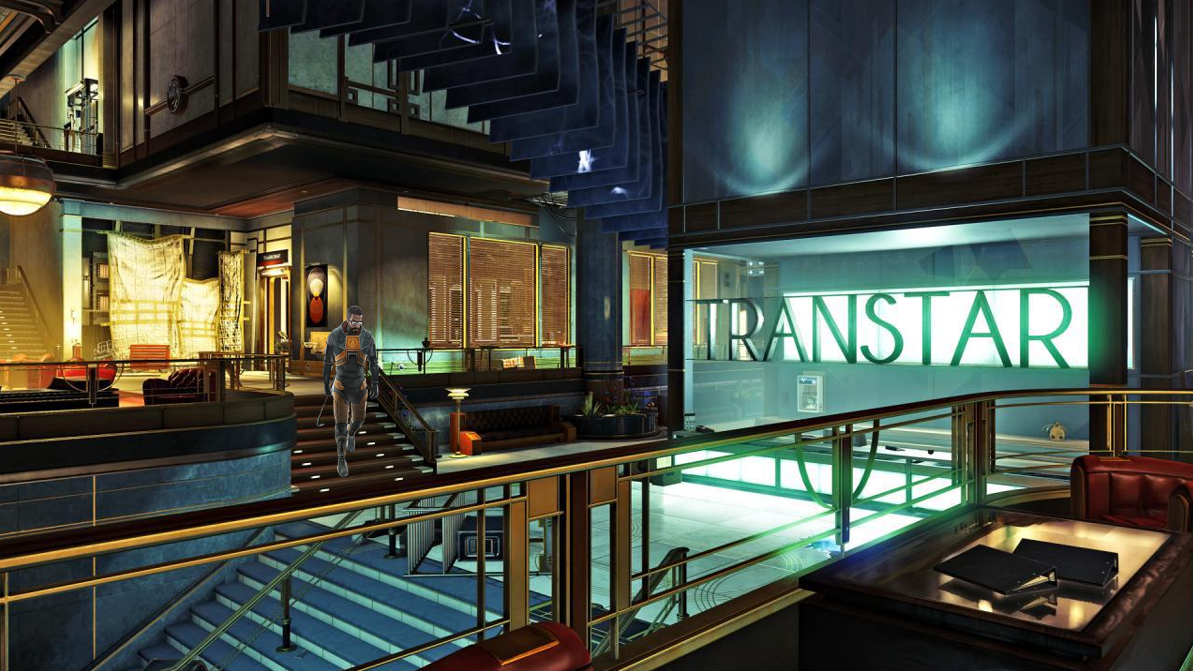
Who Would Fare The Best In This Situation: Leon, Joel or Ellie, The Doom Slayer, Gordon Freeman, Agent 47, or a descendant of the Furtive Pygmy?
There's a clear answer here and it's Gordon Freeman. I can't think of anyone more qualified than him to deal with aliens on a space station. He's got the physics background, the HEV suit, experience fighting small, leaping, crab-like aliens, he can navigate tight ventilation shafts like a champ, and he's familiar with operating advanced weaponry. He's ticking all the boxes. Talos I would be a playground for Gordon.
Leon, Joel, and Ellie, I think, are a little out of their depth here with the technology aspect of it. The Doom Slayer would have a fun time with the techno/telepaths; they're very Cacodemon-like. The locked doors that take more than just finding a keycard lying in the open would trip him up though. Agent 47 handles the locked doors no problem, but I do think he struggles when shit hits the fan though. If he's able to control the encounter by navigating Talos I like a Hitman level, then I think he's fine. But if the Nightmare shows up and then he's backtracking through an area and a few military operators have suddenly spawned in, he's getting overwhelmed. The chosen undead is always a decent shout. Their ability to detect illusory walls could come in handy with the mimics for instance, but the lack of bonfires would really be a handicap.
Does This Game Work In a Different Camera Perspective?
First-person is definitely the right choice. It fits the game, it fits the genre, no real discussion to be had here.
What Happens The Next Day?
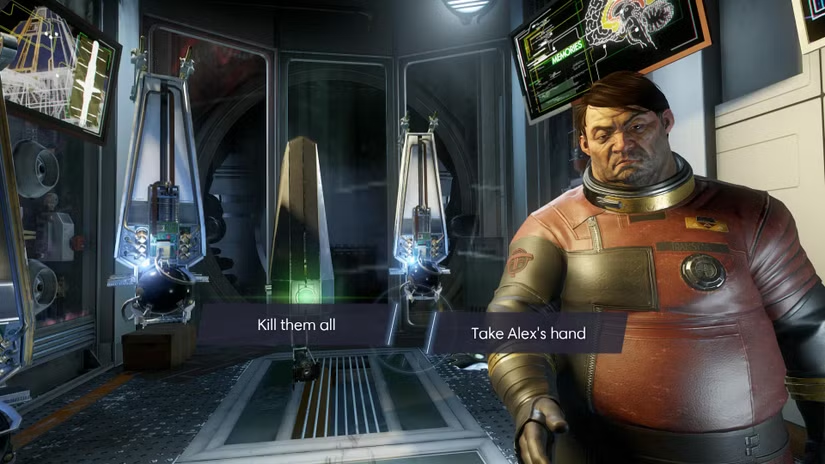
So, with the post-credits, actual ending/reveal, I was evaluated to have human-like empathy. I did a pretty completionist playthrough, doing a lot of the side quests and usually taking very empathetic routes, so this makes sense. For the final choice I then chose to take Alex's hand instead of killing everyone in the room. So, what's the plan here for the next day and following weeks? Humanity seems in shambles with earth being overtaken by Typhon. You are not the real Morgan Yu. Alex and the other humans are surviving in a bunker somewhere? So, what's the plan here? Convert one Typhon and hope they can talk the rest into leaving humanity alone? Run more Typhon through a similar simulation to convert them too? I think if they send this one Typhon back the main group, they'd listen to it briefly and then be like nah we're going to keep doing what we're doing.
Wrap-Up
Hottest Take
I don't really have a super hot take here, so I'll give you the best I got. The simulated reality reveal feels like an afterthought, is uninteresting, but ultimately should be super impactful to how you view the entire game. Like I said, I don't have a really strong view on this and haven't really dove deep into the lore but for me, if you removed that post credits scene I don't think my opinion of the game would change at all. And that feels wrong for what should be a really important scene.
Probably Unanswerable Questions
Since it was all a simulated reality, what happened to the real-life Morgan Yu? Did they not make it off Talos I? Did they die during the Typhon invasion of Earth? Are they still alive and just not involved in the simulations using their likeness? This remains a mystery but I feel it is likely Morgan is dead and it probably occurred during the Typhon outbreak on Talos I. There's a deeper reason why Alex is running the simulation in this particular fashion.
Kid-Friendly Rating
Prey is a sneaky PG-13 actually. If you can clear out an area, the game becomes one part resource management, another part platformer, with a sprinkling of puzzles in there too. Without the Typhon, there's still plenty to do and mess around with that is totally appropriate for a kid to hang out and watch. That being said, I did have one funny screw up when my daughter was watching me play. I was in the Arboretum, this big open level with lots to explore, and was running down this thread where two lovers were trying to have a secret meetup. The guy had left a keycard for a girl under a tree root in the Arboretum that she could then use to get into a storage closet where he had a cute picnic laid out. Of course, the girl never made it there and we found the keycard. So, I confidently went over to the closet, I had nothing to worry about, I had cleared out the Arboretum a while ago. Well, right when I swiped that keycard we both got jump-scared hard by a Typhon Phantom standing on the other side of the door! I ran away, then looked at my daughter and exclaimed: "what was that?!?" She laughed, I think we're all good. And now we know what happened to the guy, maybe it's for the best the girl never made it to the date...
The Sevastromo Scale (too long, too short, or just right?)
I give Prey a +5 rating. I think it's just a tad too long, around 5 hours too long, if I had to critique it. This one is on the long end for these types of singleplayer story games. My first playthrough was around 25 hrs if I remember. This one came in just under 30, I think.
The Death Stranding HUD vs Menu UI Design Scale
Prey leans slightly towards DS HUD on this scale. It's very customizable, no UI is forced upon you, a lot of info is there if you want it, and 95% of the game is spent in the game world with a pretty minimal HUD. You can get carried away in the inventory and you can throw a million objective markers on the screen, but that's up to you, which I appreciate.
The Mechanical Extrovert Scale
Prey gets an A+ rating on the Mechanical Extrovert Scale. Outside of the intro sequence, you are in total control of your character and have full access to all the tools in your toolbox. Also, cutscenes are super short and rare. 99% of the game is you running around Talos I doing whatever you want, whenever you want. I love it.
Just One Game Award, Who Gets It?
Best Game Direction. This is a game of many systems built within a believable sci-fi world. It's crazy that these games ever come together in the first place, let alone pull it off like this.
Apex Mountain
I wish I could say Immersive Sims but these don't exist anymore outside of the indie scene. At the same time, many think that this is the peak for the genre. It can't be Arkane even though they accomplished the task of creating a near perfect immersive sim, because the game sold horribly. It might be the peak for glue in games though. See everything I said about the glue gun…
What Did I Miss?
I feel like I didn't give the Typhon enemies their due, so here are a few notable ones.
First, Mimics! This enemy was a huge selling point for the game but turned out to be a bit of a one trick pony for me. I will say for the first five or so hours, mimics are awesome, the prop hunt gimmick works. You are vulnerable, you don't have a million ways to identify and deal with them, and there's a genuine novelty to the mimicry. Those first few areas with the mimics as the main threat are great. It's part of the reason I really enjoy the early game. The problem is the gimmick wears down a bit and then your power level and toolbox grow and they become a complete nuisance enemy. It's not a huge deal; they just don't really evolve to matter at all for the back two thirds of the game.
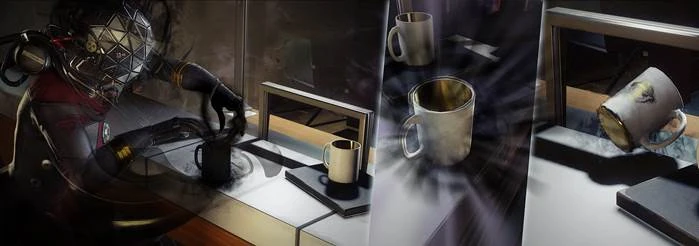

The Nightmare! Man, I love that Arkane just said "fuck it" and put this aggressive and awkward behemoth in the game. Nightmares show up halfway into the game and stalk the player through any interior level. They're absolutely gigantic, filling up normal size hallways with their shadowy black mass. The intimidation factor is real. They're not the most nuanced enemy. They can't fit into certain areas, they awkwardly wait around, there's a timer for when they'll just decide to leave, the homing projectiles they use are stupidly powerful, but regardless I'm glad Nightmares are in the game. They're scary as fuck.
The not so large elephant in the room that I only briefly mentioned is Mooncrash, Prey's roguelite side mode. Wow, it took me a while to see the light with this mode. This time and my previous playthrough of the main campaign left my Immersive Sim appetite satiated to the point I was running on fumes attempting Mooncrash. It's a DLC for the main game but honestly almost deserves to be a standalone title. As such, I almost feel it deserves its own article. But similar to how I was running on fumes playing Mooncrash, right now this article is running on fumes. This time around though I was patient and after finishing the main game I didn't uninstall it and I didn't jump right into Mooncrash. I took a month off and came back and now I get... Mooncrash kind of incredible.
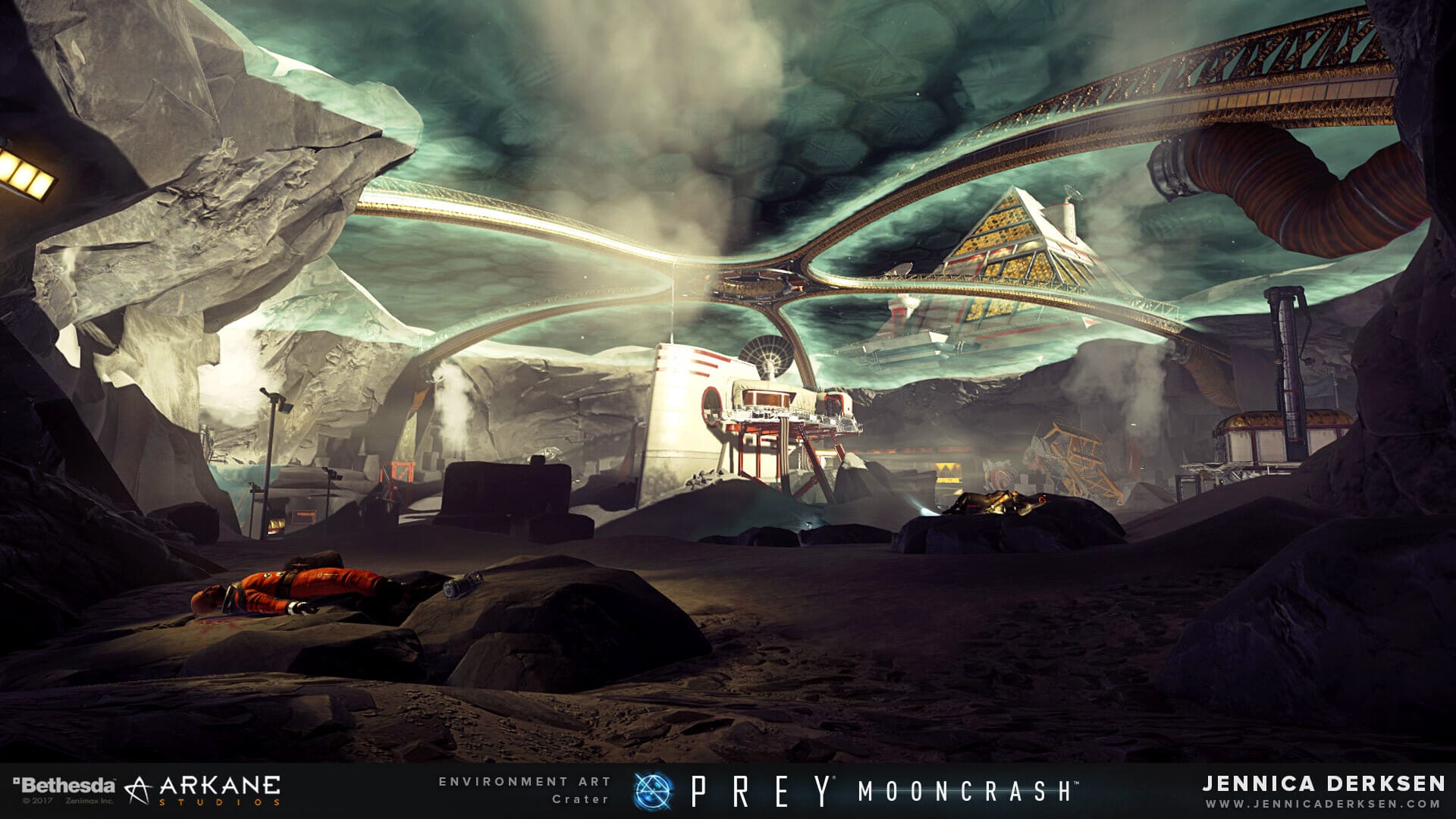
So, here's the real quick rundown on Mooncrash. TranStar, the same company that ran Talos I, has a secret moon base which stopped transmitting shortly after the events of Prey. You play as Peter, a hacker stationed aboard a spy satellite working for (being blackmailed by) KASMA Corp. You're tasked with intercepting TranStar communications and figuring out what happened on the moon base. To do this he is given a data vault operator from the moon base and then, via looking glass tech, needs to reenact all possible scenarios that led to the base's downfall. As such you play out the escape of multiple key personnel and the ins and outs of the base and their stories. This is how you get the set up for the roguelite mechanics. From here, Arkane did an awesome job adpating Prey's Immersive Sim gameplay core into this framework.
Final Thoughts
Play Prey. That is all.
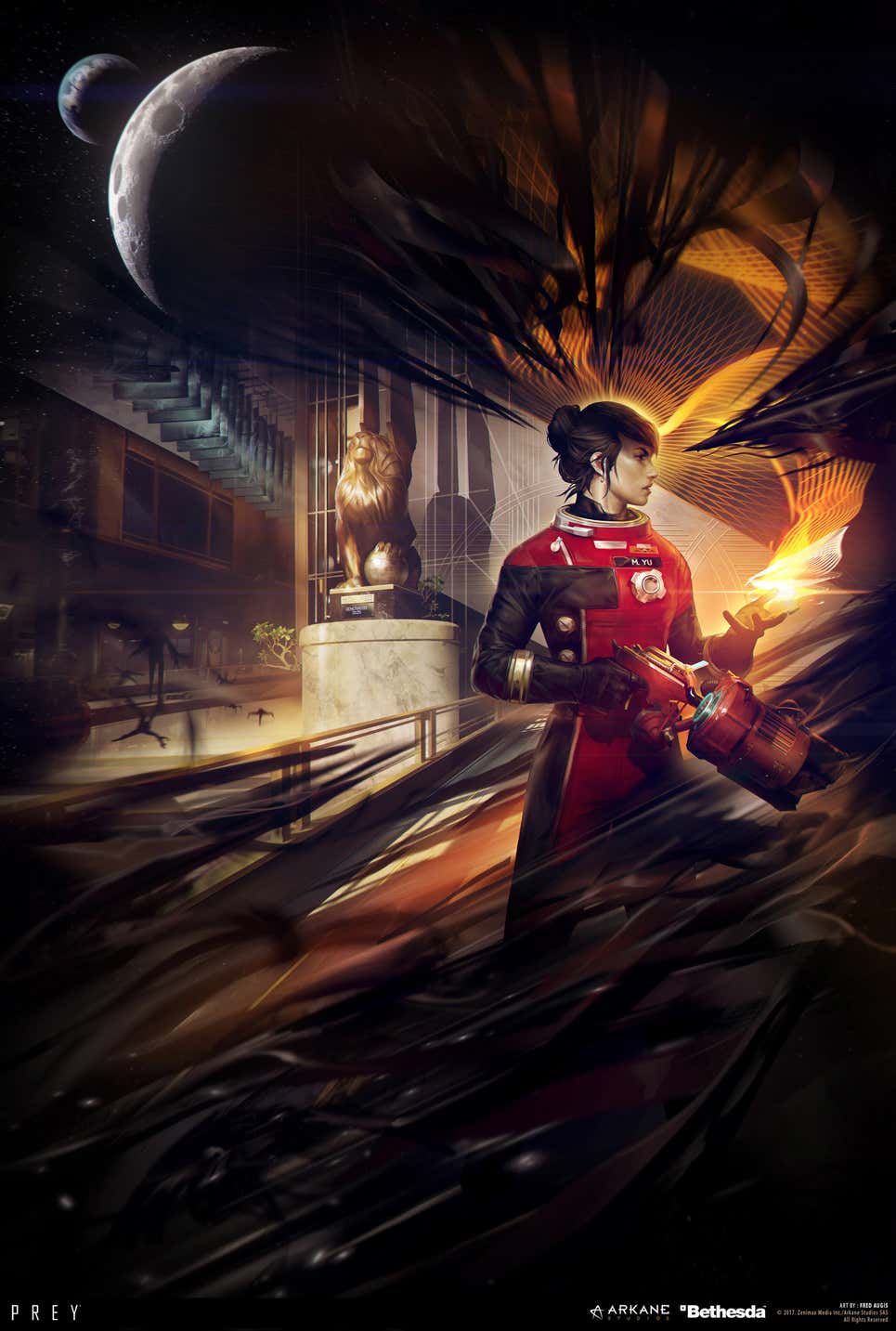

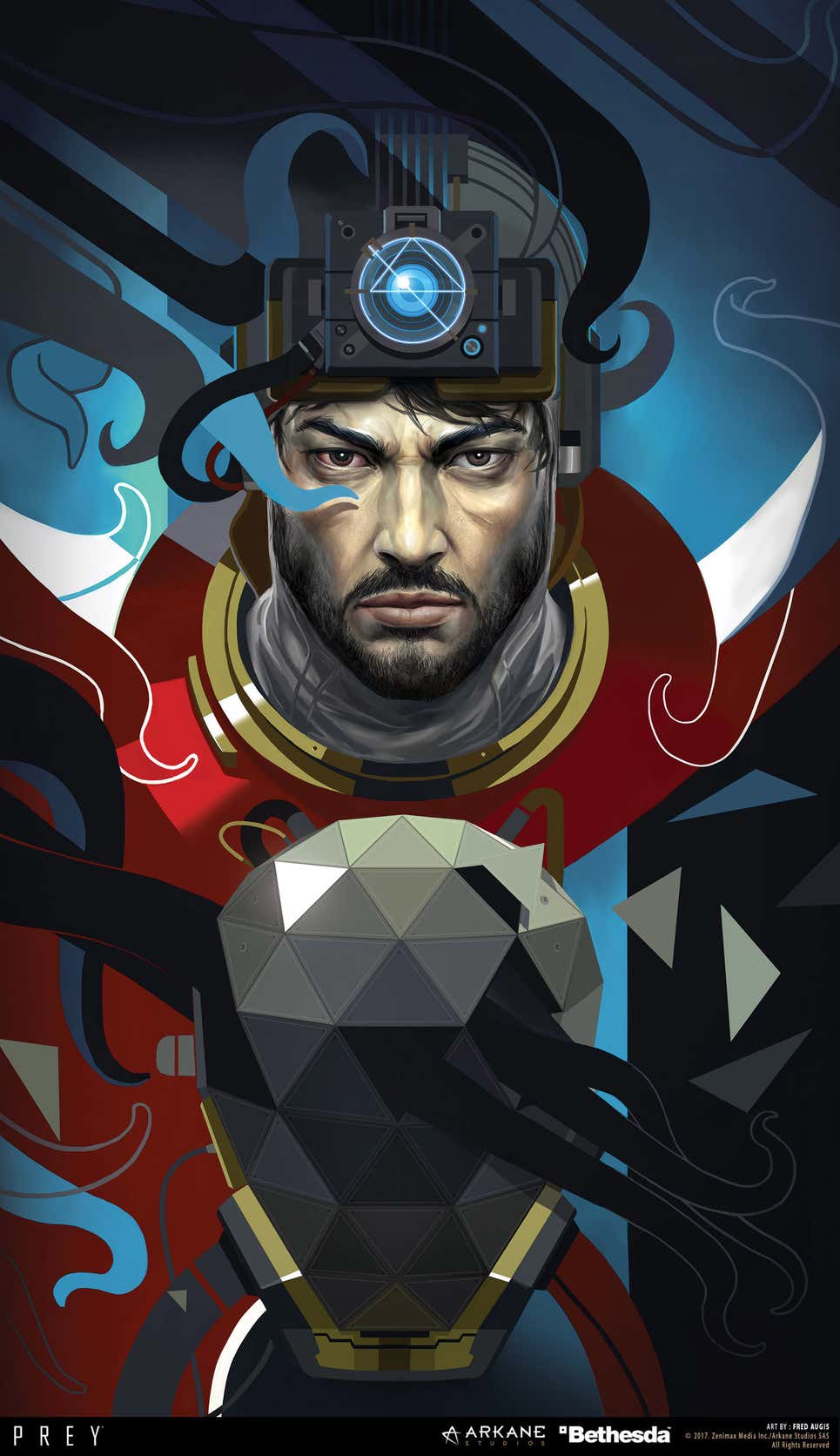
A New Article Format!
So, I've been thinking about how to feature returning games on the website. I've also been thinking about how to talk about games that I've already experienced once or twice. 'Reviewing' a game that I've already decided is worth replaying multiple times feels a little silly, even though there's nothing inherently wrong with it in concept. I've been a long-time listener of The Rewatchables podcast and if by some chance you are as well, you've no doubt picked up on what I'm doing here. This is a pretty blatant rip-off of their format, but hey, it's a really good format. What they do with movies, I want to do with games, just in a written format. I'm sure they won't mind.